Area Code 414
Wisconsin
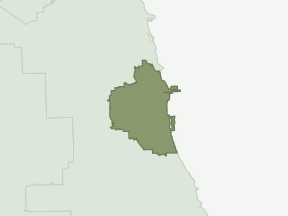
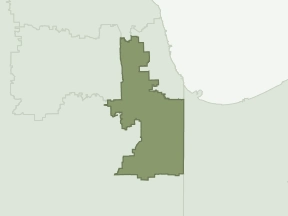
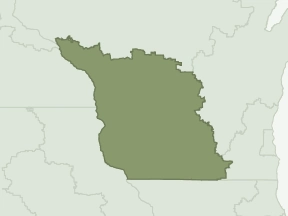
Area code 414 serves Wisconsin, primarily Milwaukee, in the Central Time (CT) time zone. It has served the region since 01-Jan-1947.
Published: Last reviewed: Verified against NANPA and FCC records
Area Code Splits
2 area codes have been carved out of this code's original territory through geographic splits. Each split was a relief action: as demand grew, part of the region was reassigned to a new code rather than overlaying the whole territory.
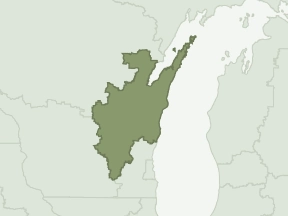
Split into: area code 262 (Kenosha), area code 920 (Green Bay).
Demographics & Economics
- Total Population
- 1,058,739
- Population Density
- 2,295 people/sq miabove U.S. average (U.S.: 95 people/sq mi)
- Median Household Income
- $64,435below U.S. median (U.S.: $80,734)
- Poverty Rate
- 15.8%above U.S. average (U.S.: 12.5%)
- Unemployment Rate
- 4.6%below U.S. average (U.S.: 5.2%)
- Education Attainment
- Bachelor's Degree+36.0%near U.S. average (U.S.: 35.7%)High School or Lower30.7%
Statistics are population-weighted aggregations from Census ACS 5-year estimates. Population figures are approximate — see Sources & Methodology for details on how area code populations are derived.
See how this area code compares to all US area codes in the income ranking and density ranking.
Time Zone
- Central Time (CT)
NANPA Relief Status
According to the latest NANPA analysis (July 2026), this area code is not currently listed as exhausting within the next 36 months. No relief planning is in progress for this NPA.
Source: NANPA NPA Relief Planning Reports · See all relief planning statuses
Current Time
Prefix Utilization
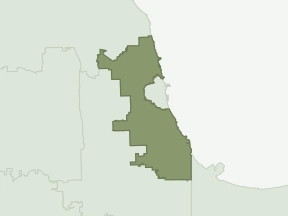
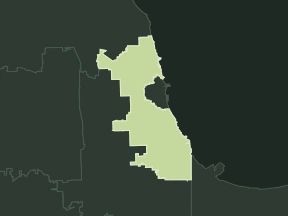
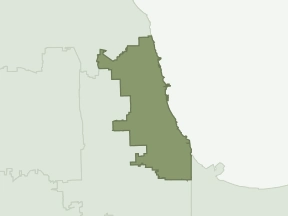
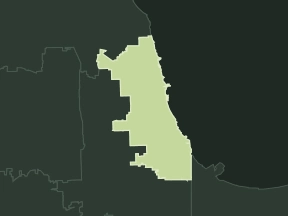
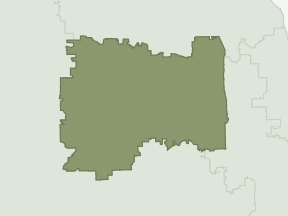
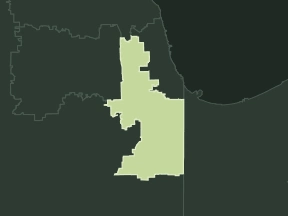
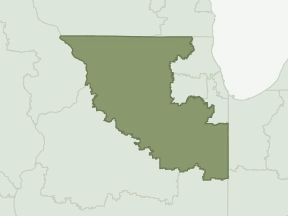
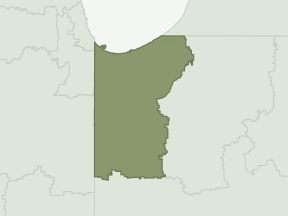
Geographic Coverage
State
WI
Major Cities
- Milwaukee
- West Allis
- Wauwatosa
- New Berlin
- Greenfield
- Oak Creek
- Franklin
- Muskego
- South Milwaukee
- Cudahy
- Whitefish Bay
- Greendale
- Shorewood
- Glendale
- Brown Deer
- St. Francis
- Hales Corners
- Fox Point
- Bayside
- West Milwaukee
- River Hills


Historical Timeline of Area Code 414
Area code 414 was created on January 1, 1947, as one of the original 77 US NANP area codes. It originally covered most of southern and eastern Wisconsin, stretching from Lake Michigan to the Minnesota and Iowa borders. Source: NANPA PL-040
Key milestones:
- 1955: First split — western Wisconsin including Madison received area code 608. 414 retained Milwaukee and southeastern Wisconsin. Source: NANPA
- 1983: "The 414s" — six Milwaukee-area teenagers — broke into computer systems at Los Alamos National Laboratory, Sloan-Kettering Cancer Center, and Security Pacific Bank, becoming one of the first major hacking incidents in US history. Source: OnMilwaukee
- 1997: Second split on July 26, 1997. The northern half including Green Bay and the Fox River Valley became area code 920. Permissive dialing ended October 25, 1997 for wireline and October 25, 1999 for wireless. Source: NANPA PL-032
- 1999: Third split on September 25, 1999. Area code 262 was implemented as a geographic split, transferring nearly all of old 414 territory outside Milwaukee County. 414 was reduced to Milwaukee County only. Source: NANPA PL-040
- 2022: Area code 628 assigned as overlay for 414 territory, though no numbers have been widely distributed. Source: WI PSC
Regulatory History
Area code 414 has been shaped by six major regulatory actions over nearly 80 years, from its original 1947 assignment through the 2022 overlay and ongoing exhaustion forecasts. Source: NANPA PL-040
| Year | Event | Docket | Regulatory Action & Impact |
|---|---|---|---|
| 1947 | Original 414 assignment | NANP initialization | Created as one of 77 original US NANP codes, covering most of southern and eastern Wisconsin |
| 1955 | 608 split approved | NANPA | Western Wisconsin including Madison split off as area code 608; 414 retained Milwaukee and southeast |
| 1997 | 920 split effective | NANPA PL-032/PL-040 | Northern half including Green Bay became 920 (July 26, 1997). Permissive dialing ended Oct 25, 1997 wireline, Oct 25, 1999 wireless. Source: WI PSC |
| 1999 | 262 split effective | NANPA PL-040 | Suburban and rural southeastern Wisconsin transferred to 262 (Sept 25, 1999). 414 reduced to Milwaukee County only. |
| 2022 | 628 overlay assigned | NANPA | Area code 628 assigned as overlay for 414 territory. Numbers not yet widely distributed. |
| 2026 | Exhaustion forecast | WI PSC | Projected exhaust date: 2041. Milwaukee remains one of the largest toll-free calling zones. |
County Coverage
Population-weighted county share based on aggregated ZCTA population (100% = total mapped population for area code 414).
| County | Population | Share |
|---|---|---|
| Milwaukee, WI | 927,809 | 87.6% |
| Waukesha, WI | 74,407 | 7.0% |
| Ozaukee, WI | 30,381 | 2.9% |
| Racine, WI | 26,142 | 2.5% |
Area Code 414 Family Tree
Hover over nodes to see details. Click to navigate to individual area code pages. Use scroll to zoom, drag to pan.
All Descendants
Area code 414 was originally assigned in 01-Jan-1947 to serve WI. Over the years, it has generated 3 descendant area codes through a combination of geographic splits and overlays as demand for telephone numbers grew.
Call Context
This area code serves a major metropolitan region with high population density in WI. The primary city is Milwaukee.
Nearby Area Codes
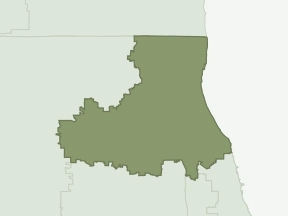
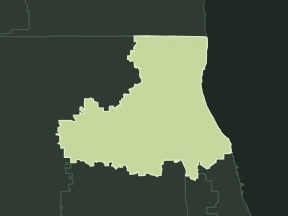
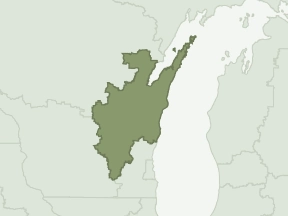
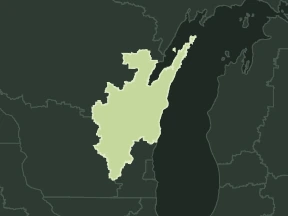
Area codes geographically closest to 414.
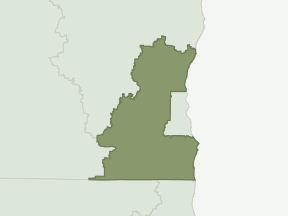
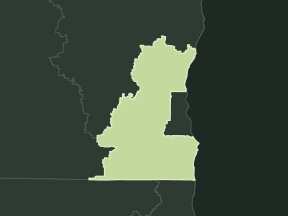
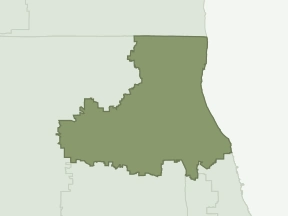
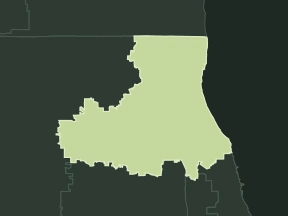
Other Area Codes in Wisconsin
Area codes that also serve Wisconsin, linked for easy comparison.