Area Code 262
Wisconsin
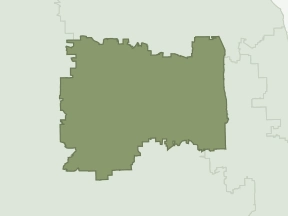
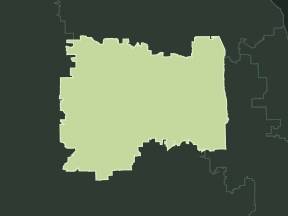
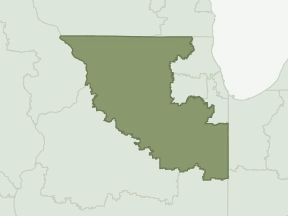
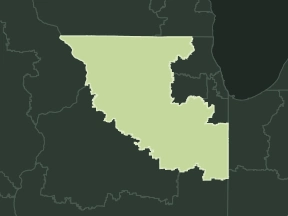
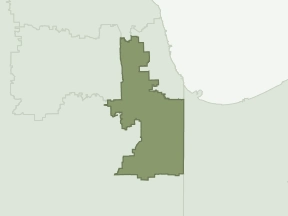
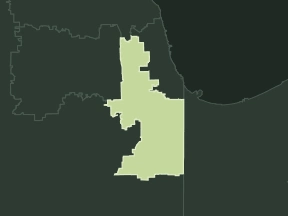
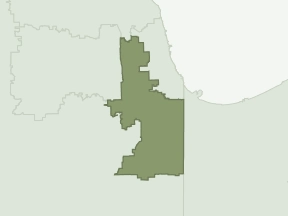
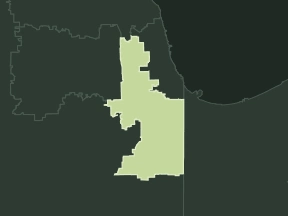
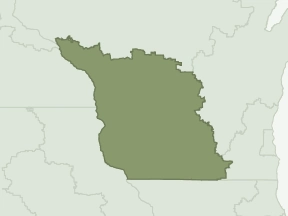
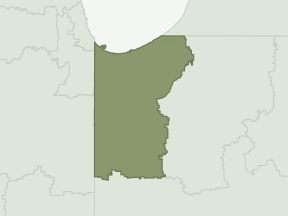
Area code 262 serves Wisconsin, primarily Kenosha, in the Central Time (CT) time zone. It was created from a split of area code 414.
Published: Last reviewed: Verified against NANPA and FCC records
Split Area Code
This area code exists because its parent region ran low on available numbers: the parent territory was divided geographically, this code took over one part of it, and the parent kept serving the rest. Existing customers generally keep their numbers — only the code changes for the newly drawn region.
This area code was split from area code 414 (Milwaukee).
In service since: 25-Sep-1999
Demographics & Economics
- Total Population
- 1,614,354
- Population Density
- 351 people/sq miabove U.S. average (U.S.: 95 people/sq mi)
- Median Household Income
- $83,750near U.S. median (U.S.: $80,734)
- Poverty Rate
- 7.7%below U.S. average (U.S.: 12.5%)
- Unemployment Rate
- 3.2%below U.S. average (U.S.: 5.2%)
- Education Attainment
- Bachelor's Degree+37.0%near U.S. average (U.S.: 35.7%)High School or Lower28.6%
Statistics are population-weighted aggregations from Census ACS 5-year estimates. Population figures are approximate — see Sources & Methodology for details on how area code populations are derived.
See how this area code compares to all US area codes in the income ranking and density ranking.
Time Zone
- Central Time (CT)
NANPA Relief Status
According to the latest NANPA analysis (July 2026), this area code is not currently listed as exhausting within the next 36 months. No relief planning is in progress for this NPA.
Source: NANPA NPA Relief Planning Reports · See all relief planning statuses
Current Time
Prefix Utilization
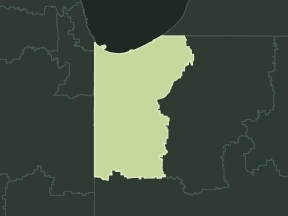
Geographic Coverage
State
WI
Major Cities
- Kenosha
- Racine
- Waukesha
- Brookfield
- New Berlin
- Menomonee Falls
- West Bend
- Mount Pleasant
- Caledonia
- Mequon
- Muskego
- Pleasant Prairie
- Germantown
- Oconomowoc
- Pewaukee
- Hartford
- Whitewater
- Salem Lakes
- Port Washington
- Cedarburg
- Grafton
- Richfield
- Sussex
- Burlington
and 80 more cities


Historical Timeline of Area Code 262
Area code 262 was created on September 25, 1999, when the Wisconsin Public Service Commission voted 2-1 to split area code 414 into two geographic regions. The new code serves six counties in southeastern Wisconsin outside Milwaukee County, covering parts of both the Milwaukee and Chicago metropolitan areas. Source: Journal Times
Key milestones:
- 1947: Area code 414 created as one of the original 77 US NANP area codes, serving most of southern and eastern Wisconsin. Source: NANPA
- 1955: Area code 608 split from 414 to serve southwestern Wisconsin, including Madison and La Crosse. Source: NANPA
- July 26, 1997: Area code 920 split from 414 to serve Green Bay and the Fox River Valley. Permissive dialing ended October 25, 1997. Source: NANPA Planning Letters
- 1998: NANPA assigned area code 262 as relief for 414. The initial proposal was an overlay, but it met resistance due to the ten-digit dialing requirement. Source: Grokipedia
- September 25, 1999: Wisconsin PSC voted 2-1 to approve a geographic split rather than an overlay. The split took effect on this date, making 262 the 266th area code introduced in the NANP. Source: Milwaukee Journal Sentinel
- March 4, 2000: Permissive dialing ended. Callers were required to use 10-digit dialing for calls crossing the 262/414 boundary. Source: Journal Times
- October 24, 2021: Mandatory 10-digit dialing required for all local calls due to the FCC designation of 988 as the National Suicide Prevention Lifeline code (FCC Order 20-100).
The 414/262 split was part of a broader pattern of area code relief in Wisconsin. The 920 area code had split from 414 just two years earlier, and the state later implemented overlays for the 715 and 920 regions. Area code 262's current exhaust forecast extends to 2036. Source: Wisconsin PSC
Regulatory History
Area code 262 has been shaped by three primary regulatory actions spanning over two decades. The FCC's Wisconsin Delegation Order authorized the state's authority to implement the split, while a subsequent order reinforced that framework. A 2020 FCC order later required mandatory 10-digit dialing for all local calls. Source: FCC Order DA 00-1616
| Year | Event | Docket | Regulatory Action & Impact |
|---|---|---|---|
| 1999 | Wisconsin Delegation Order | CC Docket No. 96-98; DA 99-2637 | FCC granted Wisconsin PSC additional authority to implement number conservation measures (15 FCC Rcd 1299), supporting the 414/262 geographic split under 47 C.F.R. § 52.19. Source: FCC Order DA 00-1616 |
| 1999 | 414/262 Split Approved | Wisconsin PSC | PSC voted 2-1 to approve geographic split of 414, creating 262 effective September 25, 1999. Overlay was rejected in favor of geographic separation. Source: Wisconsin PSC |
| 2000 | Reinforced PSC Authority | FCC Order DA 00-1616 | References Wisconsin Delegation Order, confirming PSC authority for area code relief including the 414/262 split. Source: FCC Order DA 00-1616 |
| 2020 | Mandatory 10-Digit Dialing | FCC Order 20-100 | Designated 988 as 3-digit dialing code for National Suicide Prevention Lifeline. Required transition to 10-digit dialing for all 262 local calls effective October 24, 2021. |
County Coverage
Population-weighted county share based on aggregated ZCTA population (100% = total mapped population for area code 262).
| County | Population | Share |
|---|---|---|
| Waukesha, WI | 411,954 | 25.5% |
| Kenosha, WI | 246,839 | 15.3% |
| Racine, WI | 236,545 | 14.7% |
| Washington, WI | 219,184 | 13.6% |
| Walworth, WI | 161,863 | 10.0% |
| Ozaukee, WI | 142,530 | 8.8% |
| Jefferson, WI | 78,016 | 4.8% |
| Dodge, WI | 64,611 | 4.0% |
| Rock, WI | 24,852 | 1.5% |
| Sheboygan, WI | 12,644 | 0.8% |
| Fond du Lac, WI | 8,223 | 0.5% |
| Milwaukee, WI | 7,093 | 0.4% |
Area Code 262 Family Tree
Hover over nodes to see details. Click to navigate to individual area code pages. Use scroll to zoom, drag to pan.
Area code 262 was originally assigned in 25-Sep-1999 to serve WI.
Call Context
This area code covers a metropolitan region in WI with moderate to high population density, centered on Kenosha and surrounding communities.
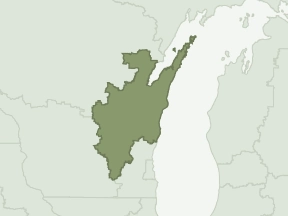
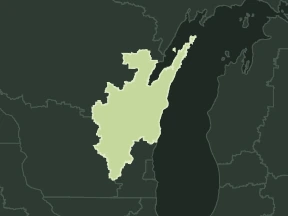
Nearby Area Codes
Area codes geographically closest to 262.
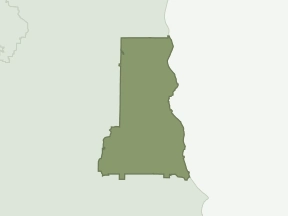
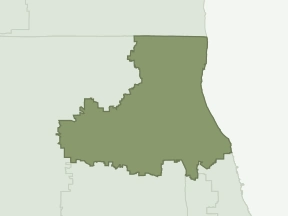
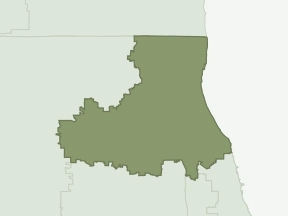
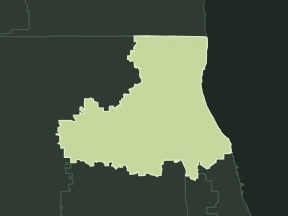
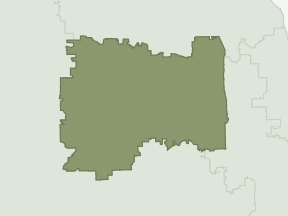
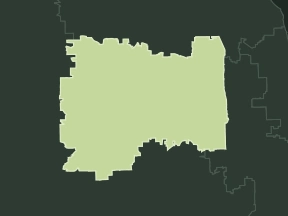
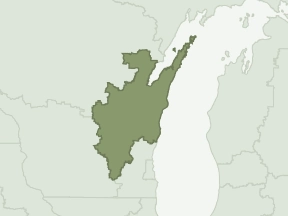
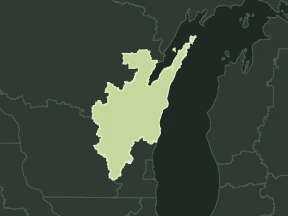
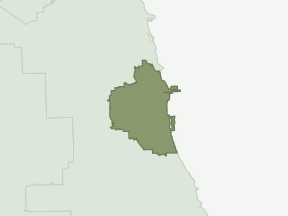
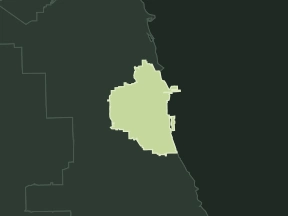
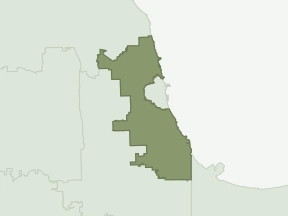
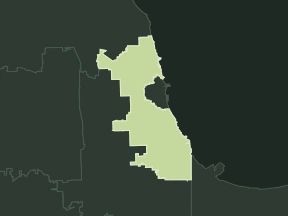
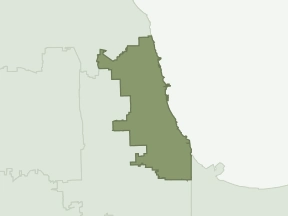
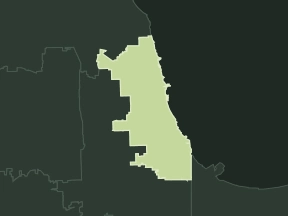
Other Area Codes in Wisconsin
Area codes that also serve Wisconsin, linked for easy comparison.