Area Code 415
California
Area code 415 serves California, primarily San Francisco, in the Pacific Time (PT) time zone. It has served the region since 01-Jan-1947.
Published: Last reviewed: Verified against NANPA and FCC records
Overlay Area Code
This area code shares its geographic footprint with an overlay code, so the same cities are served by two area codes. Because overlays leave existing numbers untouched, this region's relief planning favors adding codes over redrawing boundaries.
The codes serving this same region: area code 628 (San Francisco).
With prefix utilization already at 98.1%, numbering resources here are under sustained pressure — context that explains why overlays were introduced.
In service since: 01-Jan-1947
Area Code Splits
5 area codes have been carved out of this code's original territory through geographic splits. Each split was a relief action: as demand grew, part of the region was reassigned to a new code rather than overlaying the whole territory.
Split into: area code 209 (Stockton), area code 408 (San Jose), area code 510 (Oakland), area code 650 (San Mateo), area code 707 (Santa Rosa).
Demographics & Economics
- Total Population
- 1,157,348
- Population Density
- 1,937 people/sq miabove U.S. average (U.S.: 95 people/sq mi)
- Median Household Income
- $140,970above U.S. median (U.S.: $80,734)
- Poverty Rate
- 10.4%below U.S. average (U.S.: 12.5%)
- Unemployment Rate
- 6.0%above U.S. average (U.S.: 5.2%)
- Education Attainment
- Bachelor's Degree+60.2%above U.S. average (U.S.: 35.7%)High School or Lower17.6%
Statistics are population-weighted aggregations from Census ACS 5-year estimates. Population figures are approximate — see Sources & Methodology for details on how area code populations are derived.
See how this area code compares to all US area codes in the income ranking and density ranking.
Time Zone
- Pacific Time (PT)
NANPA Relief Status
According to the latest NANPA analysis (July 2026), this area code is not currently listed as exhausting within the next 36 months. No relief planning is in progress for this NPA.
Source: NANPA NPA Relief Planning Reports · See all relief planning statuses
Current Time
Prefix Utilization
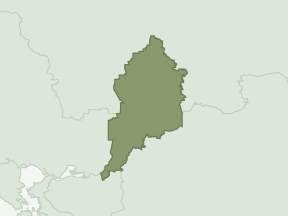
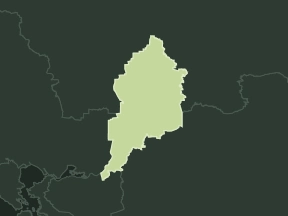
Geographic Coverage
State
CA
Major Cities
- San Francisco
- South San Francisco
- San Rafael
- Novato
- Mill Valley
- Larkspur
- San Anselmo
- Tamalpais-Homestead Valley
- Corte Madera
- Tiburon
- Fairfax
- Sausalito
- Kentfield
- Lucas Valley-Marinwood
- Brisbane
- Santa Venetia
- Sleepy Hollow
- Ross
- Belvedere
- Lagunitas-Forest Knolls
- Woodacre
- Black Point-Green Point
- Inverness
- Bolinas
and 9 more cities


Historical Timeline of Area Code 415
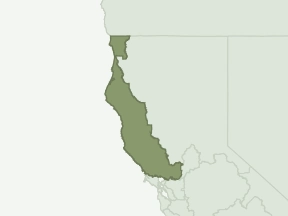
Area code 415 was established in 1947 as one of the original 77 US NANP area codes created by AT&T. California received just three area codes at inception: 213 for the southern region, 415 for the central region, and 916 for the northern region. In its original configuration, 415 stretched from Sacramento in the north to Bakersfield in the south, covering the entire central portion of California. The middle digit “1” in 415 indicated California was a multi-NPA state under the original NANP coding scheme. Today, the 415/628 overlay complex serves San Francisco, most of Marin County, and a small portion of San Mateo County. Source: NANPA
Key milestones:
- 1947: Area code 415 created as one of the 77 original US NANP area codes under the AT&T Nationwide Numbering Plan. California received three codes: 213 (southern), 415 (central), and 916 (northern). Original territory stretched from Sacramento to Bakersfield. Source: AT&T Nationwide Numbering Plan, 1947
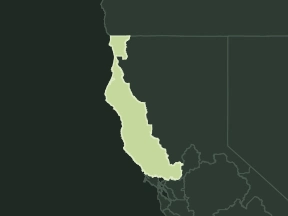
- 1950: California NPA boundaries redrawn along a north-south dividing line. Area code 415 was reassigned to the coastal region from the North Coast to the Oregon border, while 916 took the northeastern corner. Sacramento moved to 916 and Bakersfield to 213. Source: List of Original NANP Area Codes
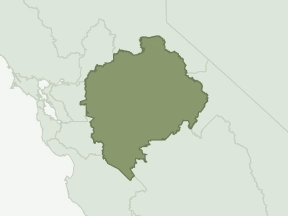
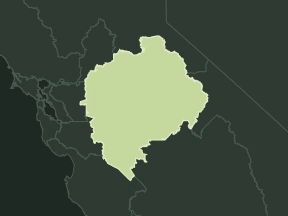
- 1959: Area code 415 split three ways: area code 707 was carved from the northern coastal territory, and area code 408 was created for San Jose, the South Bay, the Monterey Bay, and the Salinas Valley. This left 415 covering the San Francisco Bay Area core. Source: NANPA
- September 2, 1991: Area code 510 created through a geographic split of 415, taking the East Bay communities of Oakland, Berkeley, Hayward, and Concord in Alameda and Contra Costa counties. Split petitioned by Pacific Bell. Permissive dialing ran through January 27, 1992. Source: NANPA IL-90-06-023
- August 2, 1997: Area code 650 created through a geographic split of 415, taking most of San Mateo County including Millbrae, San Bruno, South San Francisco, and SFO airport. Permissive dialing ran through January 31, 1998. Bellcore had placed 415 on jeopardy status. Source: NANPA PL-NANP-022
- April 1999: CPUC approved an overlay for the 415 area code, but the approval was suspended weeks later following intense public backlash against the 310 overlay in Los Angeles. In December 1999, CPUC Decision 99-12-051 halted all overlays statewide and mandated a number utilization study. Source: CPUC Decision 99-12-051
- November 2000: A CPUC Telecommunications Division staff report found that approximately 3.9 million of 7.7 million usable numbers in 415 were not in use — roughly 50%. The report concluded aggressive measures were not yet warranted and recommended over 30 conservation measures. Source: CPUC Report on the 415 Area Code
- March 21, 2015: Area code 628 went into service as an all-services distributed overlay, California’s 32nd area code. New numbers in the San Francisco/Marin/San Mateo region could be assigned either 415 or 628. Mandatory 1+10-digit dialing had been required since February 21, 2015. Source: NANPA PL-461
- December 2014: CPUC Decision 13-12-055 approved the 628 overlay for area code 415, authorizing the North American Numbering Plan Administration to issue the new area code. This decision ended a 14-year delay from the original 1999 overlay approval. Source: CPUC Decision 13-12-055
Regulatory History
The regulatory history of area code 415 reflects the evolution of California’s telecommunications oversight from AT&T’s original 1947 numbering plan through modern overlay administration. The FCC’s role has primarily been setting national numbering policy through the NANP, with the California Public Utilities Commission CPUC handling specific area code relief decisions. Source: CPUC — 415/628 Area Code
| Year | Event | Docket | Regulatory Action & Impact |
|---|---|---|---|
| 1947 | NANP Inception | AT&T Nationwide Numbering Plan | Area code 415 assigned to central California, one of three original CA codes (with 213 and 916). Part of the original 77 US NANP codes established 1947. Source: List of Original NANP Area Codes |
| 1990–1991 | 510 geographic split | NANPA IL-90-06-023; Pacific Bell petition | Pacific Bell petitioned the California Code Administrator for relief. NANPA issued revised split dates on June 13, 1990. area code 510 created September 2, 1991 for East Bay communities (Alameda and Contra Costa counties). Source: NANPA IL-90-06-023 |
| 1996–1997 | 650 geographic split | CPUC Decision No. 9608-042; NANPA PL-NANP-022 | CPUC approved the split on August 2, 1996. NANPA established the implementation timeline on November 22, 1996. area code 650 created August 2, 1997 for most of San Mateo County. Bellcore had placed 415 on jeopardy status. Source: NANPA PL-NANP-022 |
| April 1999 | 415 overlay approved then suspended | CPUC Decision 99-12-051 | CPUC initially approved an overlay for 415 in April 1999. After intense public opposition to the 310 overlay in Los Angeles, all overlays were halted statewide. In December 1999, Decision 99-12-051 formally suspended previously approved overlays and mandated number utilization studies. Source: CPUC Decision 99-12-051 |
| July 2000 | Mandatory number pooling trial | California Public Utilities Code Section 7937 | Mandatory number pooling implemented July 29, 2000 in the 415 area code, allocating numbers in 1,000-number blocks instead of 10,000. A November 2000 staff report found 3.9 million of 7.7 million usable numbers were unused (~50%), concluding conservation measures were sufficient. Source: CPUC Report on the 415 Area Code |
| December 2014 | 628 overlay approved | CPUC Decision 13-12-055 | CPUC Decision 13-12-055 approved the 628 overlay for area code 415, authorizing the North American Numbering Plan Administration to issue the new area code. This ended a 14-year delay from the original 1999 overlay approval. Source: CPUC Decision 13-12-055 |
| January 2014 | 628 overlay planning letter issued | NANPA PL-461 | NANPA issued Planning Letter PL-461 on January 28, 2014, establishing the implementation timeline for the 628 overlay. The test number 628-1628 was documented in this letter. Source: NANPA PL-461 |
County Coverage
Population-weighted county share based on aggregated ZCTA population (100% = total mapped population for area code 415).
| County | Population | Share |
|---|---|---|
| San Francisco, CA | 849,003 | 73.4% |
| Marin, CA | 257,358 | 22.2% |
| San Mateo, CA | 50,987 | 4.4% |
Area Code 415 Family Tree
Hover over nodes to see details. Click to navigate to individual area code pages. Use scroll to zoom, drag to pan.
All Descendants
| Code ▲ | State | Type | In Service | Parent |
|---|---|---|---|---|
| 209 | CA | split | 01-Jan-1958 | 415 |
| 341 | CA | overlay | 22-Jul-2019 | 510 |
| 350 | CA | overlay | 28-Nov-2022 | 209 |
| 357 | CA | overlay | 26-Mar-2025 | 559 |
| 369 | CA | overlay | 01-Feb-2023 | 707 |
| 408 | CA | split | 01-Jan-1959 | 415 |
| 510 | CA | split | 02-Sep-1991 | 415 |
| 559 | CA | split | 14-Nov-1998 | 209 |
| 628 | CA | overlay | 21-Mar-2015 | 415 |
| 650 | CA | split | 02-Aug-1997 | 415 |
| 669 | CA | overlay | 20-Nov-2012 | 408 |
| 707 | CA | split | 01-Jan-1959 | 415 |
| 831 | CA | split | 11-Jul-1998 | 408 |
| 925 | CA | split | 14-Mar-1998 | 510 |
Area code 415 was originally assigned in 01-Jan-1947 to serve CA. Over the years, it has generated 14 descendant area codes through a combination of geographic splits and overlays as demand for telephone numbers grew.
Call Context
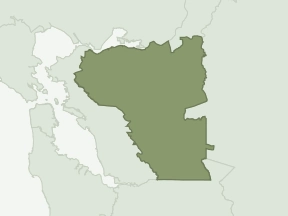
This area code serves a major metropolitan region with high population density in CA. The primary city is San Francisco.
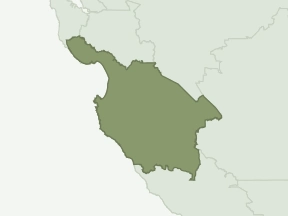
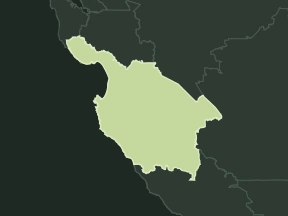
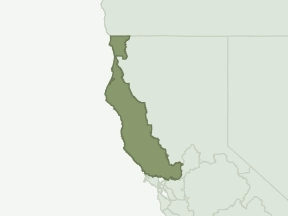
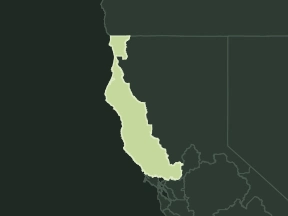
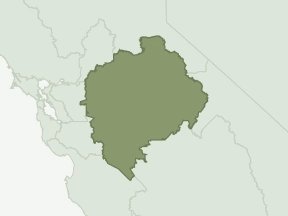
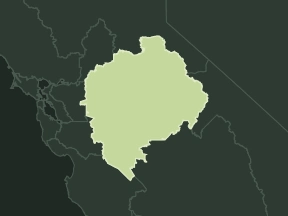
Nearby Area Codes
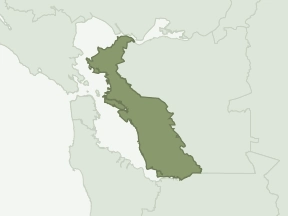
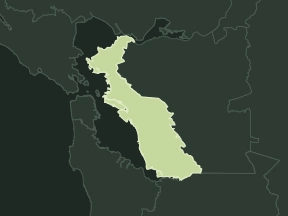
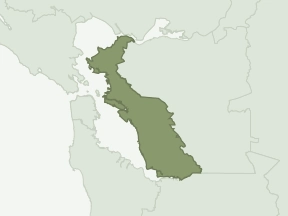
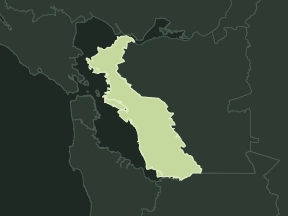
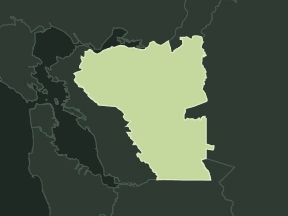
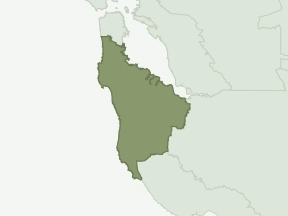
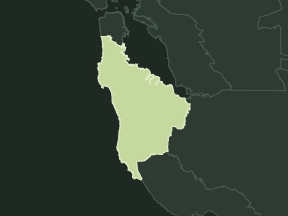
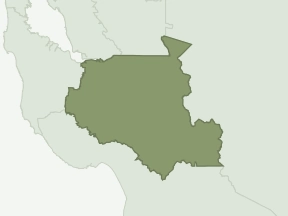
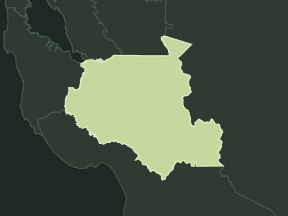
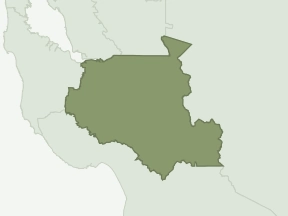
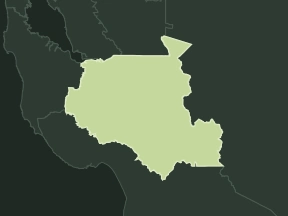
Area codes geographically closest to 415.
Other Area Codes in California
Area codes that also serve California, linked for easy comparison.