Area Code 213
California
Area code 213 serves California, primarily Los Angeles, in the Pacific Time (PT) time zone. It has served the region since 01-Jan-1947.
Published: Last reviewed: Verified against NANPA and FCC records
Overlay Area Code
This area code shares its geographic footprint with an overlay code, so the same cities are served by two area codes. Because overlays leave existing numbers untouched, this region's relief planning favors adding codes over redrawing boundaries.
The codes serving this same region: area code 323 (Los Angeles).
With prefix utilization already at 98.3%, numbering resources here are under sustained pressure — context that explains why overlays were introduced.
In service since: 01-Jan-1947
Area Code Splits
4 area codes have been carved out of this code's original territory through geographic splits. Each split was a relief action: as demand grew, part of the region was reassigned to a new code rather than overlaying the whole territory.
Split into: area code 310 (Los Angeles), area code 714 (Anaheim), area code 805 (Oxnard), area code 818 (Los Angeles).
Demographics & Economics
- Total Population
- 2,400,544
- Population Density
- 2,416 people/sq miabove U.S. average (U.S.: 95 people/sq mi)
- Median Household Income
- $90,112above U.S. median (U.S.: $80,734)
- Poverty Rate
- 13.7%near U.S. average (U.S.: 12.5%)
- Unemployment Rate
- 7.3%above U.S. average (U.S.: 5.2%)
- Education Attainment
- Bachelor's Degree+36.0%near U.S. average (U.S.: 35.7%)High School or Lower31.9%
Statistics are population-weighted aggregations from Census ACS 5-year estimates. Population figures are approximate — see Sources & Methodology for details on how area code populations are derived.
See how this area code compares to all US area codes in the income ranking and density ranking.
Time Zone
- Pacific Time (PT)
NANPA Relief Status
According to the latest NANPA analysis (July 2026), this area code is not currently listed as exhausting within the next 36 months. No relief planning is in progress for this NPA.
Source: NANPA NPA Relief Planning Reports · See all relief planning statuses
Current Time
Prefix Utilization
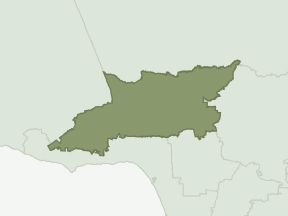
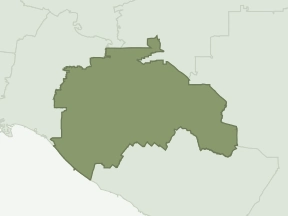
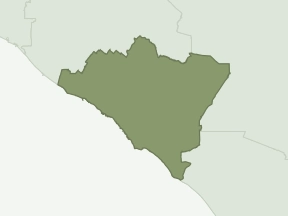
Geographic Coverage
State
CA
Major Cities
- Los Angeles
- East Los Angeles
- Inglewood
- South Gate
- Hawthorne
- Lynwood
- Florence-Graham
- Montebello
- Monterey Park
- Huntington Park
- Bell Gardens
- West Hollywood
- Westmont
- Bell
- South Pasadena
- Maywood
- West Rancho Dominguez
- Cudahy
- Willowbrook
- Walnut Park
- Commerce
- View Park-Windsor Hills
- West Athens
- Ladera Heights
and 1 more city


Historical Timeline of Area Code 213
Area code 213 was established on January 1, 1947, as one of the original 77 US NANP area codes and one of California's three original area codes. Over the next 77 years, it underwent five geographic splits, a boundary elimination overlay, and an additional overlay — transforming it from one of the largest NPAs in the nation to one of the smallest, and then back again. Source: NANPA
- 1947: Area code 213 created as one of the 77 original US NANP area codes, covering the entire southern third of California — from the Mexican border to the Tehachapi Mountains. It was one of California's three original codes alongside 415 (Northern CA) and 916 (Central CA). The middle digit "1" in 213 indicated the state would have multiple area codes under pre-1953 NANP rules. Source: CPUC Training
- 1951: First split — Area code 714 created for Orange County and the inland valleys, the first of five splits that would progressively narrow 213's geographic scope. Source: CPUC Training
- 1957: Second split — Area code 805 created for the Central Coast region (Ventura, Santa Barbara, San Luis Obispo counties), restricting 213 to Los Angeles County and surrounding areas. Source: CPUC Training
- 1984: Third split — Area code 818 created for the San Fernando Valley and San Gabriel Valley areas. Source: CPUC Training
- 1991: Fourth split — Area code 310 created for the Westside, South Bay, and beach communities of Los Angeles. Source: CPUC Training
- 1998: Fifth and final split on June 13 — Area code 323 created. Area code 213 retained only three exchanges: 1 (Downtown/Echo Park), 7 (South Park/Exposition Park), and 10 (Westlake/Koreatown). All other exchanges switched to 323, which completely surrounded 213 — making it one of the geographically smallest NPAs in the nation. Source: NANPA
- 2001: CPUC Area Code 213 Report (Decision 99-12-051) found 213 contained 7.9 million usable numbers, with 73% unused — recommending conservation measures rather than further splits. Source: CPUC Report
- 2017: On July 14, 2016, the CPUC approved a boundary elimination overlay (Decision 16-07-014, Docket A.15-11-017), erasing the boundary between 213 and 323. Permissive 1+10-digit dialing began January 14, 2017; mandatory dialing took effect July 8, 2017. This returned 213 to areas that had used it for more than half a century before the 1998 split. Source: CPUC
- 2023: CPUC approves 738 overlay for the 213/323 complex (Decision 23-03-006). NANPA Planning Letter PL-614 authorizes 738 as an all-services distributed overlay. This was the first new area code assigned to Los Angeles County since the 213/323 boundary elimination. Source: NANPA
- November 1, 2024: Area code 738 enters service in the 213/323 region, becoming the third active area code in the Los Angeles metropolitan complex. New 738 codes are assignable in both former 213 and 323 territories following the boundary elimination. Source: NANPA
Regulatory History
Area code 213 has undergone nine significant regulatory events over 79 years, involving AT&T, the California Public Utilities Commission CPUC, and NANPA. The FCC delegates numbering authority to state commissions under the Telecommunications Act of 1996 (47 U.S.C. § 251(e)(2)), and the CPUC holds primary jurisdiction over California numbering matters. Source: CPUC
| Year | Event | Docket | Regulatory Action & Impact |
|---|---|---|---|
| 1947 | 213 established as original NANP code | N/A | AT&T established 213 as one of 77 original US NANP area codes and one of three original California codes (213, 415, 916). Covered the entire southern third of California from the Mexican border to the Tehachapi Mountains. Source: NANPA |
| 1951–1998 | Five geographic splits | Multiple | 213 was split five times, creating 714 (1951), 805 (1957), 818 (1984), 310 (1991), and 323 (1998). Each split reduced 213's geographic coverage, ultimately leaving it with only three exchanges in downtown Los Angeles. Source: CPUC Training |
| 2001 | CPUC Area Code 213 Report | Decision 99-12-051 | CPUC found 213 contained 7.9 million usable numbers with 73% unused. Recommended conservation measures including enhanced number pooling and reclaimed unused prefixes. Found aggressive relief measures not yet warranted. Source: CPUC Report |
| 2016 | Boundary elimination overlay approved | A.15-11-017 / Decision 16-07-014 | CPUC approved boundary elimination between 213 and 323 instead of adding a new code or splitting 323 further. NANPA projected 323 exhaustion in Q2 2017. Permissive 1+10-digit dialing began January 14, 2017. Source: CPUC Press Release |
| 2016 | NANPA Planning Letter PL-494 | PL-494 | NANPA announced 213/323 boundary elimination overlay implementation. Mandatory 1+10-digit dialing took effect July 8, 2017. Earliest new 213 NPA CO code activation in 323 overlay area: August 1, 2017. Source: CPUC |
| 2023 | 738 Overlay Approved | A.22-08-009 / D.23-03-006 | CPUC approved NANPA's application for a 738 distributed overlay covering the 213/323 region. NANPA PL-614 documented the assignment. 738 entered service November 1, 2024 — the first new area code for Los Angeles County since the 2017 boundary elimination. Source: CPUC |
County Coverage
Population-weighted county share based on aggregated ZCTA population (100% = total mapped population for area code 213).
| County | Population | Share |
|---|---|---|
| Los Angeles, CA | 2,400,544 | 100.0% |
Area Code 213 Family Tree
Hover over nodes to see details. Click to navigate to individual area code pages. Use scroll to zoom, drag to pan.
All Descendants
| Code ▲ | State | Type | In Service | Parent |
|---|---|---|---|---|
| 310 | CA | split | 02-Nov-1991 | 213 |
| 323 | CA | overlay | 13-Jun-1998 | 213 |
| 424 | CA | overlay | 26-Aug-2006 | 310 |
| 442 | CA | overlay | 21-Nov-2009 | 760 |
| 562 | CA | split | 25-Jan-1997 | 310 |
| 619 | CA | split | 01-Jan-1982 | 714 |
| 626 | CA | split | 14-Jun-1997 | 818 |
| 657 | CA | overlay | 23-Sep-2008 | 714 |
| 661 | CA | split | 13-Feb-1999 | 805 |
| 714 | CA | split | 01-Jan-1951 | 213 |
| 738 | CA | overlay | 01-Nov-2024 | 323 |
| 747 | CA | overlay | 18-May-2009 | 818 |
| 760 | CA | split | 22-Mar-1997 | 619 |
| 805 | CA | split | 01-Jan-1957 | 213 |
| 818 | CA | split | 07-Jan-1984 | 213 |
| 820 | CA | overlay | 30-Jun-2018 | 805 |
| 840 | CA | overlay | 23-Feb-2021 | 909 |
| 858 | CA | overlay | 12-Jun-1999 | 619 |
| 909 | CA | split | 14-Nov-1992 | 714 |
| 949 | CA | split | 18-Apr-1998 | 714 |
| 951 | CA | split | 17-Jul-2004 | 909 |
Area code 213 was originally assigned in 01-Jan-1947 to serve CA. Over the years, it has generated 21 descendant area codes through a combination of geographic splits and overlays as demand for telephone numbers grew.
Call Context
This area code serves a major metropolitan region with high population density in CA. The primary city is Los Angeles.
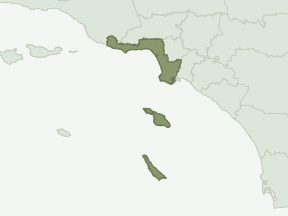
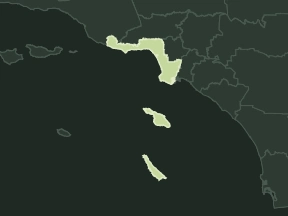
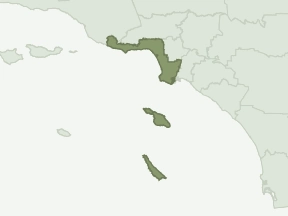
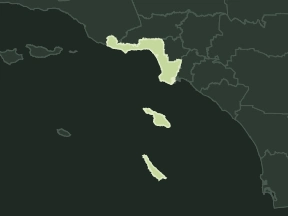
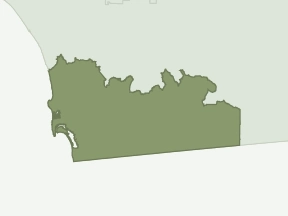
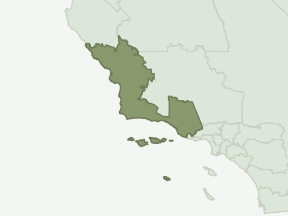
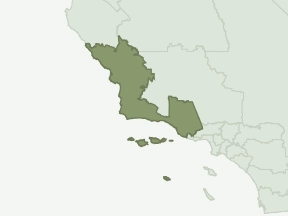
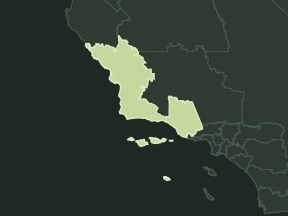
Nearby Area Codes
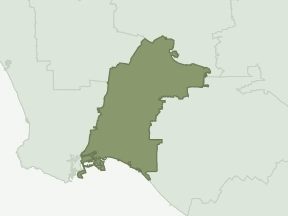
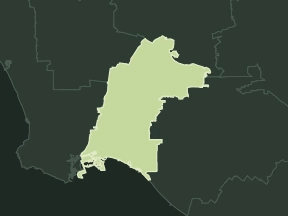
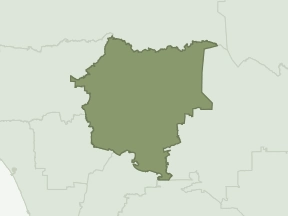
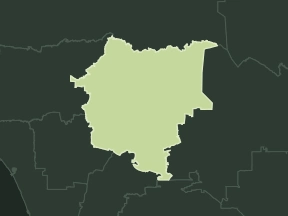
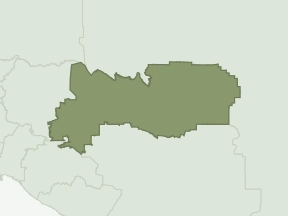
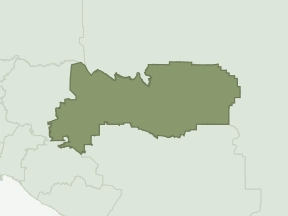
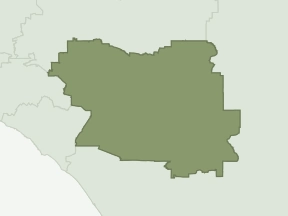
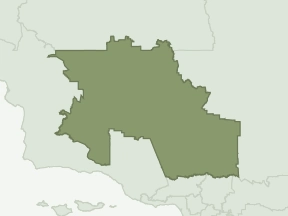
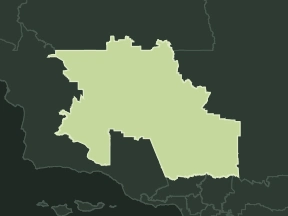
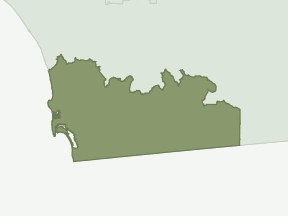
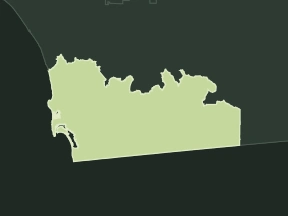
Area codes geographically closest to 213.
Other Area Codes in California
Area codes that also serve California, linked for easy comparison.