Area Code 212
New York
Area code 212 serves New York, primarily New York, in the Eastern Time (ET) time zone. It has served the region since 01-Jan-1947.
Published: Last reviewed: Verified against NANPA and FCC records
Overlay Area Codes
This area code shares its geographic footprint with 3 overlay codes, so the same cities are served by multiple area codes. Because overlays leave existing numbers untouched, this region's relief planning favors adding codes over redrawing boundaries.
The codes serving this same region: area code 332 (New York), area code 646 (New York), area code 917 (New York).
With prefix utilization already at 98.0%, numbering resources here are under sustained pressure — context that explains why overlays were introduced.
In service since: 01-Jan-1947
Area Code Splits
One area code has been carved out of this code's original territory through a geographic split. Each split was a relief action: as demand grew, part of the region was reassigned to a new code rather than overlaying the whole territory.
Split into: area code 718 (New York).
Demographics & Economics
- Total Population
- 1,617,259
- Population Density
- 71,917 people/sq miabove U.S. average (U.S.: 95 people/sq mi)
- Median Household Income
- $103,931above U.S. median (U.S.: $80,734)
- Poverty Rate
- 16.5%above U.S. average (U.S.: 12.5%)
- Unemployment Rate
- 7.6%above U.S. average (U.S.: 5.2%)
- Education Attainment
- Bachelor's Degree+64.2%above U.S. average (U.S.: 35.7%)High School or Lower17.7%
Statistics are population-weighted aggregations from Census ACS 5-year estimates. Population figures are approximate — see Sources & Methodology for details on how area code populations are derived.
See how this area code compares to all US area codes in the income ranking and density ranking.
Time Zone
- Eastern Time (ET)
NANPA Relief Status
According to the latest NANPA analysis (July 2026), this area code is not currently listed as exhausting within the next 36 months. No relief planning is in progress for this NPA.
Source: NANPA NPA Relief Planning Reports · See all relief planning statuses
Current Time
Prefix Utilization
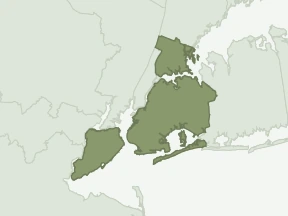
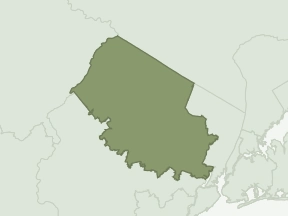
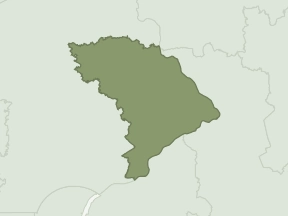
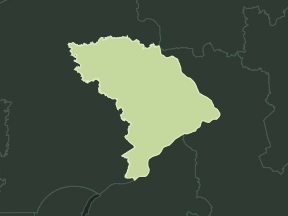
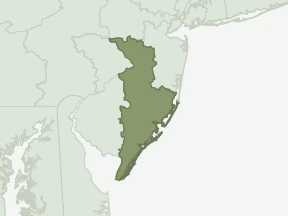
Geographic Coverage
State
NY
Major Cities
- New York
- Bellerose Terrace
- New York City


Historical Timeline of Area Code 212
Area code 212 is one of the original 77 US NANP area codes established by AT&T in 1947, assigned to serve all five boroughs of New York City. The code 212 was deliberately chosen for the nation's largest metropolitan area because it required only 5 rotary dial pulls (2‑1‒ = 5 clicks), the fewest possible for a multi-state code. New York's middle digit "1" followed the original convention designating multi-NPA states — New York had five area codes in 1947: 212, 315, 518, 716, and 914. For 37 consecutive years, 212 served as the sole area code for all of NYC, one of the longest periods for any single-NPA code serving a major metropolitan area. Source: List of Original NANP Area Codes
- 1947: Area code 212 is created as one of the 77 original NANP codes, covering all five boroughs of New York City. NYC becomes one of the largest toll-free calling zones in North America under a single code. Source: AT&T Nationwide Numbering Plan
- February 1984: The New York Public Service Commission votes to split 212 in response to a petition from New York Telephone, dividing the city's three million telephone numbers roughly in half. Source: NANPA
- September 1, 1984: Area code 718 goes into service for Brooklyn, Queens, and Staten Island. Manhattan and the Bronx retain 212. Permissive dialing begins, allowing callers to use either 212 or 718 for outer borough numbers. Documented in NANPA Industry Letter IL-781-84-04-031. Source: NANPA IL-781-84-04-031
- January 1, 1985: Permissive dialing ends. 718 becomes mandatory for Brooklyn, Queens, and Staten Island. The 212 area code now serves only Manhattan and the Bronx.
- January 1, 1992: Area code 917 goes into service as the first overlay in New York City, covering both the 212 and 718 NPAs. Initially restricted to wireless and pager service only. Documented in NANPA Industry Letter IL-91-08-001. Source: NANPA IL-91-08-001
- July 1, 1992: The Bronx is transferred from the 212 NPA to the 718 NPA, reducing 212 to Manhattan only. Marble Hill, a Manhattan neighborhood geographically on the Bronx mainland, is also transferred to 718 despite being administratively part of Manhattan. Source: NANPA IL-91-08-001
- May 16, 1993: Permissive dialing for the Bronx transfer ends. 718 becomes mandatory for calls terminating in the Bronx. Source: NANPA IL-91-08-001
- December 10, 1997: The NY PSC issues Opinion and Order in Case 96-C-1158 approving the 646 area code overlay for Manhattan. Original effective date of April 1, 1998 is later postponed pending FCC resolution of mandatory 10-digit dialing requirements. Source: NY PSC Case 96-C-1158
- July 1, 1999: Area code 646 goes into service as a Manhattan overlay, initially operating with 7-digit dialing per an FCC waiver. Source: NANPA
- February 2003: Mandatory 1+10-digit dialing becomes required for all local calls within New York City area codes. Seven-digit calls are no longer completed and are redirected to an intercept announcement.
Regulatory History
The regulatory history of area code 212 spans federal and state jurisdictions, involving the FCC, the New York Public Service Commission, and NANPA. The story is shaped by a series of landmark decisions — from AT&T's original 1947 numbering plan through the 2015 332 overlay approval — that established precedents for area code governance nationwide. Source: List of Original NANP Area Codes
| Year | Event | Docket | Regulatory Action & Impact |
|---|---|---|---|
| 1947 | NANP established | AT&T Nationwide Numbering Plan | AT&T establishes the North American Numbering Plan, assigning 212 to New York City (all five boroughs). Area code administration delegated to AT&T as the Plan Administrator. Source: List of Original NANP Area Codes |
| 1984 | 718 geographic split | NY PSC; NANPA IL-781-84-04-031 | NY PSC approves the split of 212, creating 718 for Brooklyn, Queens, and Staten Island. NANPA Industry Letter IL-781-84-04-031 documents permissive dialing September 1, 1984 through January 1, 1985. Three million numbers divided between the two codes. Source: NANPA IL-781-84-04-031 |
| 1991–92 | 917 overlay and Bronx transfer | NANPA IL-91-08-001 | NANPA introduces 917 as the first NYC overlay, initially restricted to wireless and pager service only. Simultaneously transfers the Bronx from 212 to 718 (effective July 1, 1992), reducing 212 to Manhattan only. Permissive dialing for the Bronx ends May 16, 1993. Source: NANPA IL-91-08-001 |
| 1996 | FCC bans service-specific overlays | CC Docket No. 96-98, ¶285 | FCC Second Report and Order determines that area codes going forward cannot be service-specific, but explicitly allows the existing 917 wireless-only overlay in NYC to remain. This ruling shapes overlay policy nationwide and makes 917 one of the only grandfathered service-specific codes in the NANP. Source: FCC CC Docket No. 96-98 |
| 1997–99 | 646 overlay and 10-digit dialing battle | NY PSC Case 96-C-1158 | NY PSC approves 646 overlay for Manhattan (Opinion No. 97-18, December 10, 1997). Original effective date of April 1, 1998 postponed pending FCC resolution of mandatory 10-digit dialing. FCC denies NY PSC waiver petition but allows 646 on 7-digit basis before April 1, 1999. 646 goes into service July 1, 1999. Mandatory 1+10-digit dialing required February 2003. Source: NY PSC Case 96-C-1158 |
County Coverage
Population-weighted county share based on aggregated ZCTA population (100% = total mapped population for area code 212).
| County | Population | Share |
|---|---|---|
| New York, NY | 1,617,259 | 100.0% |
Area Code 212 Family Tree
Hover over nodes to see details. Click to navigate to individual area code pages. Use scroll to zoom, drag to pan.
All Descendants
Area code 212 was originally assigned in 01-Jan-1947 to serve NY. Over the years, it has generated 7 descendant area codes through a combination of geographic splits and overlays as demand for telephone numbers grew.
Call Context
This area code serves a major metropolitan region with high population density in NY. The primary city is New York.
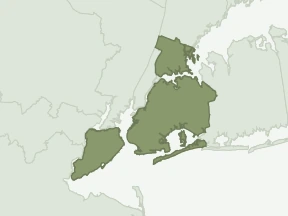
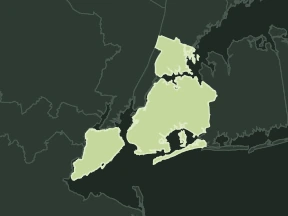
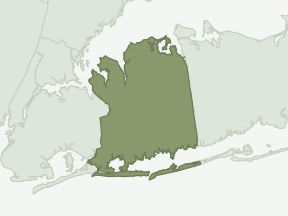
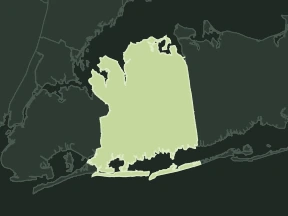
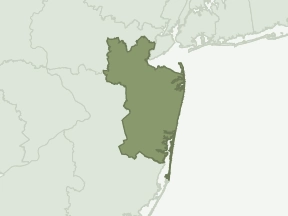
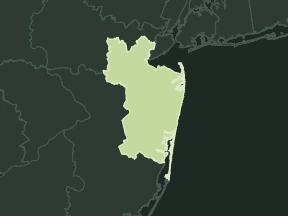
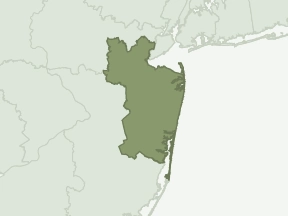
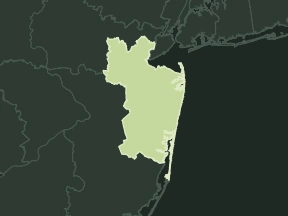
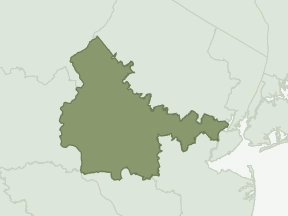
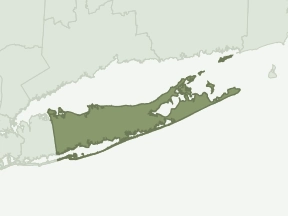
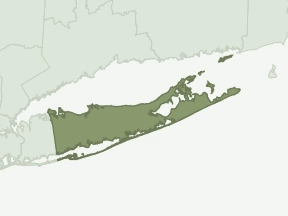
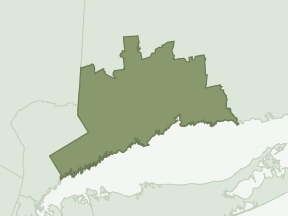
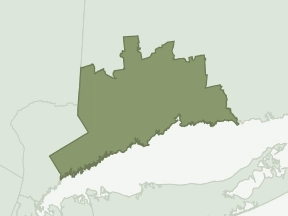
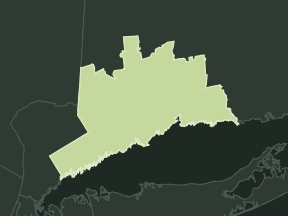
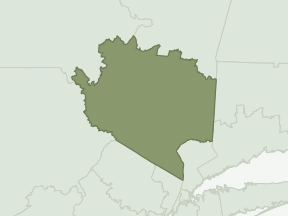
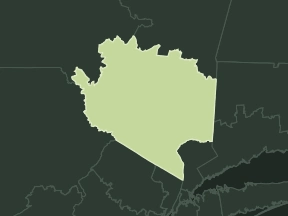
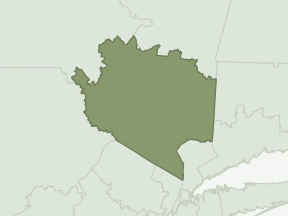
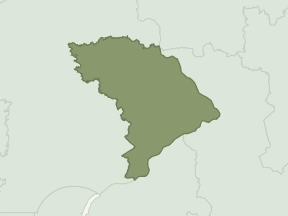
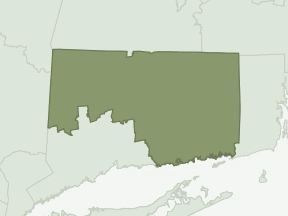
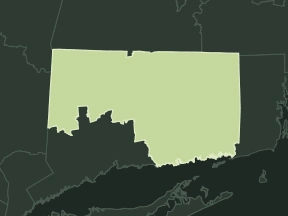
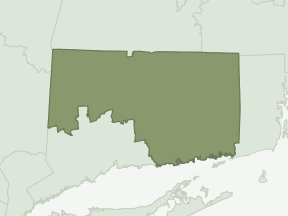
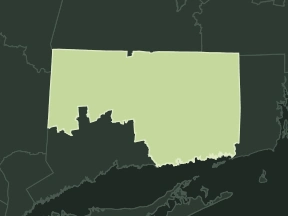
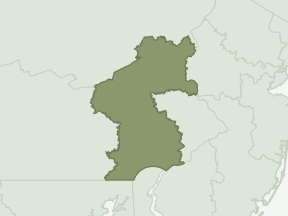
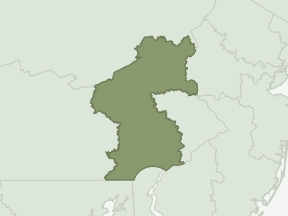
Nearby Area Codes
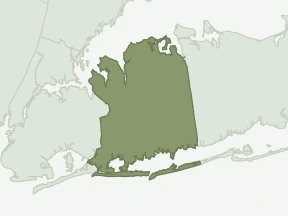
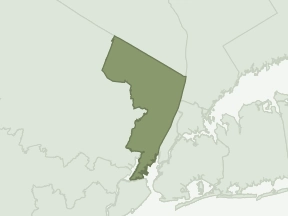
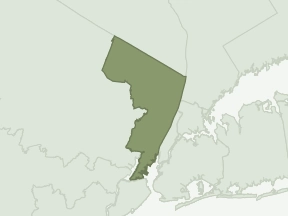
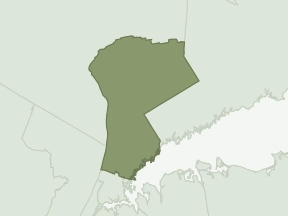
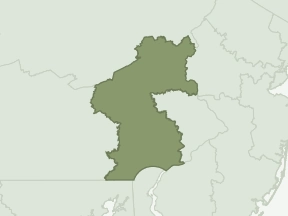
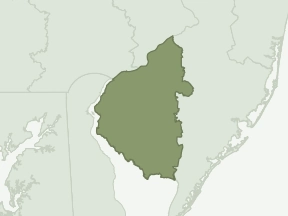
Area codes geographically closest to 212.
Other Area Codes in New York
Area codes that also serve New York, linked for easy comparison.