Area Code 615
Tennessee
Area code 615 serves Tennessee, primarily Nashville, in the Central Time (CT) time zone. It has served the region since 01-Jan-1954.
Published: Verified against NANPA and FCC records
Overlay Area Code
This area code shares its geographic footprint with an overlay code, so the same cities are served by two area codes. Because overlays leave existing numbers untouched, this region's relief planning favors adding codes over redrawing boundaries.
The codes serving this same region: area code 629 (Nashville).
With prefix utilization already at 97.5%, numbering resources here are under sustained pressure — context that explains why overlays were introduced.
In service since: 01-Jan-1954
Area Code Splits
2 area codes have been carved out of this code's original territory through geographic splits. Each split was a relief action: as demand grew, part of the region was reassigned to a new code rather than overlaying the whole territory.
Split into: area code 423 (Chattanooga), area code 931 (Clarksville).
Demographics & Economics
- Total Population
- 3,077,030
- Population Density
- 256 people/sq miabove U.S. average (U.S.: 95 people/sq mi)
- Median Household Income
- $83,047near U.S. median (U.S.: $80,734)
- Poverty Rate
- 10.8%below U.S. average (U.S.: 12.5%)
- Unemployment Rate
- 3.7%below U.S. average (U.S.: 5.2%)
- Education Attainment
- Bachelor's Degree+38.7%near U.S. average (U.S.: 35.7%)High School or Lower30.4%
Statistics are population-weighted aggregations from Census ACS 5-year estimates. Population figures are approximate — see Sources & Methodology for details on how area code populations are derived.
See how this area code compares to all US area codes in the income ranking and density ranking.
Time Zone
- Central Time (CT)
NANPA Relief Status
According to the latest NANPA analysis (July 2026), this area code is not currently listed as exhausting within the next 36 months. No relief planning is in progress for this NPA.
Source: NANPA NPA Relief Planning Reports · See all relief planning statuses
Current Time
Prefix Utilization
Geographic Coverage
State
TN
Major Cities
- Nashville
- Murfreesboro
- Franklin
- Hendersonville
- Smyrna
- Spring Hill
- Gallatin
- Brentwood
- Lebanon
- Mount Juliet
- La Vergne
- Springfield
- Goodlettsville
- Dickson
- Nolensville
- White House
- Portland
- Hartsville/Trousdale County
- Fairview
- Thompson's Station
- Greenbrier
- Green Hill
- Millersville
- Lafayette
and 54 more cities


History
Area code 615 was established in 1954 as a geographic area code. Over time, area code area code 931 was split from 615. It shares its territory with area code area code 629.
Demographics
The estimated population served by area code 615 is approximately 3,077,030. The population density is 256 people per square mile, which is higher than the national average of 95. The median household income is $83,047, which is near the national median of $80,734. Approximately 38.7% of adults hold a bachelor's degree or higher, compared to the national rate of 35.7%. This rate is near the national average. The poverty rate stands at 10.8%, which is lower than the national rate of 12.5%.
County Coverage
Population-weighted county share based on aggregated ZCTA population (100% = total mapped population for area code 615).
| County | Population | Share |
|---|---|---|
| Davidson, TN | 1,001,933 | 32.6% |
| Rutherford, TN | 472,534 | 15.4% |
| Williamson, TN | 311,791 | 10.1% |
| Wilson, TN | 280,043 | 9.1% |
| Sumner, TN | 241,409 | 7.8% |
| Robertson, TN | 158,489 | 5.2% |
| Cheatham, TN | 119,546 | 3.9% |
| Smith, TN | 101,405 | 3.3% |
| Trousdale, TN | 76,945 | 2.5% |
| Dickson, TN | 68,757 | 2.2% |
| Macon, TN | 52,038 | 1.7% |
| Montgomery, TN | 33,901 | 1.1% |
| Cannon, TN | 32,933 | 1.1% |
| Hickman, TN | 28,567 | 0.9% |
| Warren, TN | 24,383 | 0.8% |
| DeKalb, TN | 22,049 | 0.7% |
| Jackson, TN | 14,670 | 0.5% |
| Bedford, TN | 13,639 | 0.4% |
| Marshall, TN | 10,206 | 0.3% |
| Houston, TN | 5,232 | 0.2% |
| Clay, TN | 4,363 | 0.1% |
| Coffee, TN | 2,197 | 0.1% |
Area Code 615 Family Tree
Hover over nodes to see details. Click to navigate to individual area code pages. Use scroll to zoom, drag to pan.
All Descendants
Area code 615 was originally assigned in 01-Jan-1954 to serve TN. Over the years, it has generated 5 descendant area codes through a combination of geographic splits and overlays as demand for telephone numbers grew.
Call Context
This area code covers a metropolitan region in TN with moderate to high population density, centered on Nashville and surrounding communities.
Nearby Area Codes
Area codes geographically closest to 615.
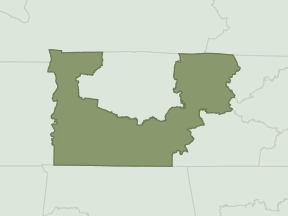
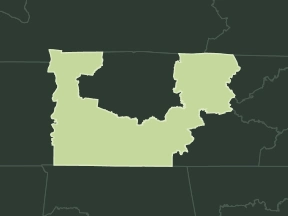
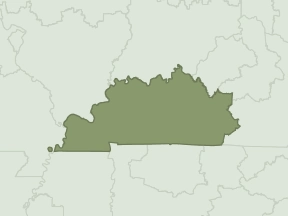
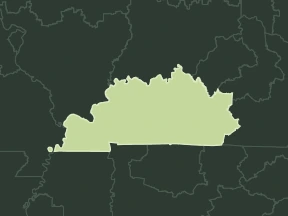
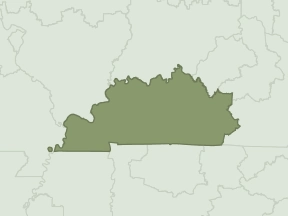
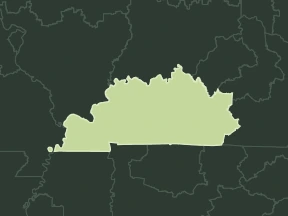
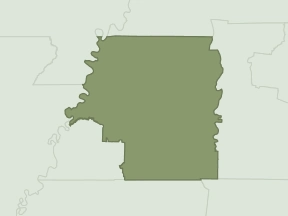
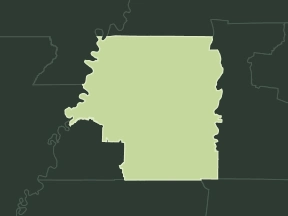
Other Area Codes in Tennessee
Area codes that also serve Tennessee, linked for easy comparison.