Area Code 401
Rhode Island
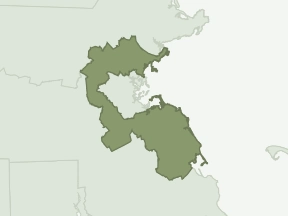
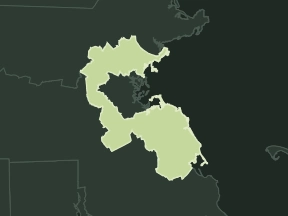
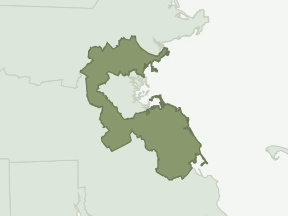
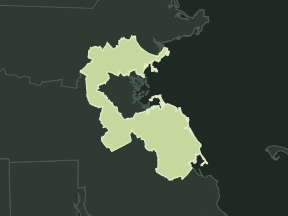
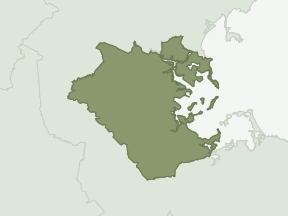
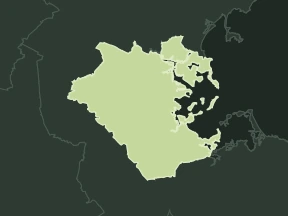
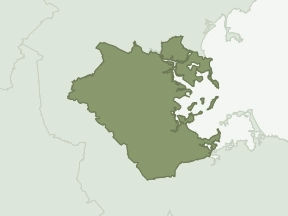
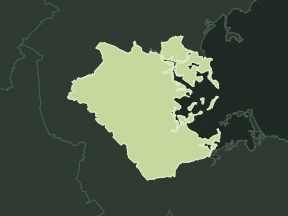
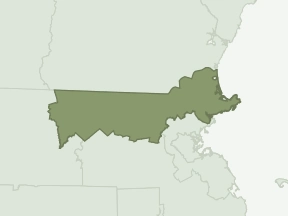
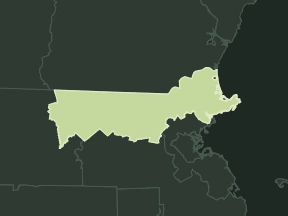
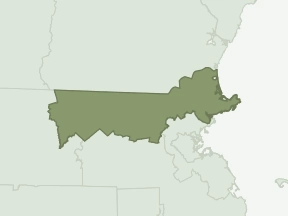
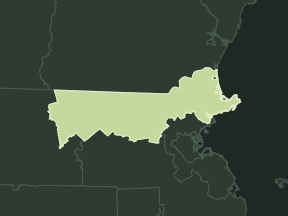
Area code 401 serves Rhode Island, primarily Providence, in the Eastern Time (ET) time zone. It has served the region since 01-Jan-1947.
Published: Last reviewed: Verified against NANPA and FCC records
Demographics & Economics
- Total Population
- 1,160,230
- Population Density
- 1,074 people/sq miabove U.S. average (U.S.: 95 people/sq mi)
- Median Household Income
- $78,787near U.S. median (U.S.: $80,734)
- Poverty Rate
- 11.2%below U.S. average (U.S.: 12.5%)
- Unemployment Rate
- 5.8%above U.S. average (U.S.: 5.2%)
- Education Attainment
- Bachelor's Degree+37.4%near U.S. average (U.S.: 35.7%)High School or Lower31.7%
Statistics are population-weighted aggregations from Census ACS 5-year estimates. Population figures are approximate — see Sources & Methodology for details on how area code populations are derived.
See how this area code compares to all US area codes in the income ranking and density ranking.
Time Zone
- Eastern Time (ET)
NANPA Relief Status
According to the latest NANPA analysis (July 2026), this area code is not currently listed as exhausting within the next 36 months. No relief planning is in progress for this NPA.
Source: NANPA NPA Relief Planning Reports · See all relief planning statuses
Current Time
Prefix Utilization
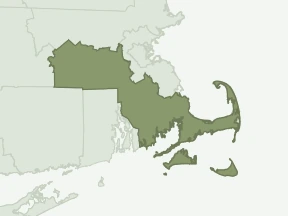
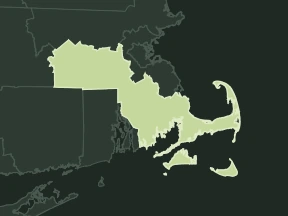
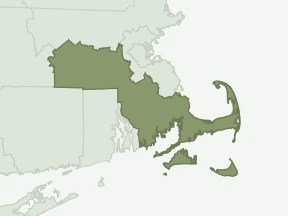
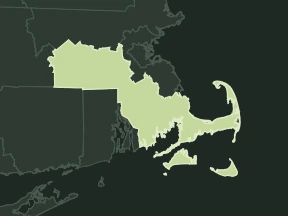
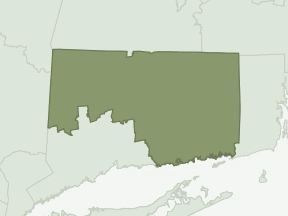
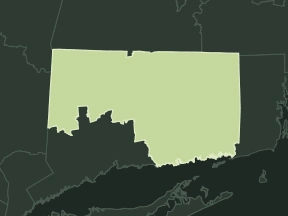
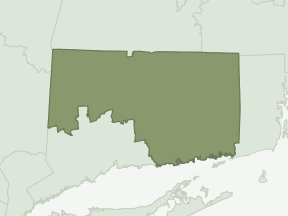
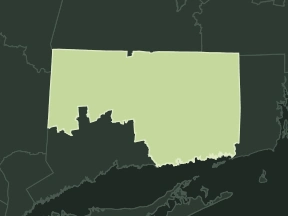
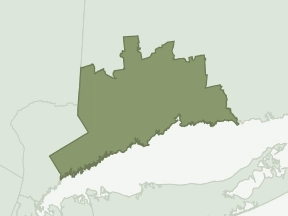
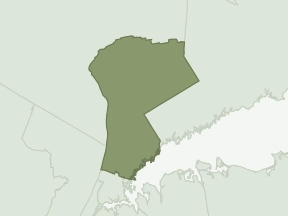
Geographic Coverage
State
RI
Major Cities
- Providence
- Warwick
- Cranston
- Pawtucket
- East Providence
- Woonsocket
- Newport
- Central Falls
- Westerly
- Valley Falls
- Newport East
- Wakefield-Peace Dale
- Cumberland Hill
- Greenville
- Tiverton
- Kingston
- Pascoag
- Narragansett Pier
- Hope Valley
- Melville
- Chepachet
- Harrisville
- Ashaway
- Charlestown
and 15 more cities


Historical Timeline of Area Code 401
AT&T and the Bell System assigned area code 401 to Rhode Island in January 1947 as part of the original 77 US North American numbering plan areas. Rhode Island has used this single code continuously for nearly 80 years, making 401 one of only 15 original area codes that still cover an entire state. (Providence Journal)
Key milestones:
- 1947: Area code 401 assigned to Rhode Island under the N0X pattern, where a middle digit of zero designated single-area-code states with high population density. The state received this designation due to its population density relative to other single-code states. (NANPA)
- 1975: Bell Laboratories published a proposal to swap 401 with Oklahoma's 504, reassigning Rhode Island to 504 and Oklahoma to 401. The plan was never adopted. (Providence Journal)
- 1984: AT&T divestiture took effect, transferring local service in Rhode Island to NYNEX while Bellcore assumed numbering plan administration.
- 1994: NYNEX mandated that Rhode Islanders dial the full 401 area code for in-state toll calls, prompting state legislators to respond with new legislation. (Providence Journal)
- 1995: Rhode Island enacted R.I. Gen. Laws § 39-2-22 (P.L. 1995, ch. 258), requiring telecommunications carriers to make seven-digit dialing available for intrastate calls where technically and economically feasible. (RI General Laws)
- 2001: Thousand-block number pooling was implemented for 401, allowing carriers to reclaim unused number blocks and extending the code's useful life. (ZIP-Codes.com)
- 2020: The FCC adopted Order 20-100 designating 988 as the National Suicide Prevention Lifeline, requiring 10-digit transition in 82 affected NPAs. Rhode Island was not on the list. (FCC)
- 2025: NANPA's April 2025 NRUF and NPA Exhaust Analysis projects 401 will not exhaust until Q2 2056, with 523 of 800 possible prefixes assigned (65.38%). (WPRI)
Rhode Island's numbering resources have been managed conservatively. With approximately six prefixes consumed annually and 277 unassigned prefixes remaining, the state's single area code has proven durable through decades of telecommunications change.
Regulatory History
Area code 401 has been shaped by four key regulatory actions spanning three decades. Rhode Island's telecommunications framework is governed by both state legislation and federal FCC orders, with the Rhode Island Public Utilities Commission overseeing provider operations. FCC
| Year | Event | Docket | Regulatory Action & Impact |
|---|---|---|---|
| 1947 | NANP Inception | AT&T / Bell System | Area code 401 established as one of the original 77 US NANP area codes, assigned to RI. |
| 1995 | Seven-digit dialing statute enacted | R.I. Gen. Laws § 39-2-22 | Rhode Island enacted P.L. 1995, ch. 258, mandating that telecommunications providers offer local seven-digit dialing for calls within the state when technically and financially practical. This legislation directly countered NYNEX's 1994 directive requiring 10-digit dialing for toll calls. (RI General Laws |
| 1995 | Fee schedule regulations adopted | 815-RICR-10-00-1 | Regulations governing fees payable by telecommunications providers to the Division of Public Utilities and Carriers and the Public Utilities Commission, establishing the financial framework for provider operations in the state. (RI SOS Regulations |
| 1996 | CLEC entry requirements established | Docket No. 2411 | The Rhode Island Public Utilities Commission issued a Report and Order establishing entry requirements for competitive local exchange carriers, including standards for financial resources, managerial qualifications, and technical competence. RIPUC |
| 2020 | 988 designation adopted; 401 exempted | FCC 20-100 | The FCC established 988 as the three-digit shortcut for the National Suicide and Crisis Lifeline, triggering a mandatory shift to 10-digit dialing in area codes where 988 was already assigned as a prefix. NANPA Planning Letter 556 identified 82 affected NPAs; 401 was not among them, preserving Rhode Island's local dialing capability. NANPA PL-556 |
The 1995 legislation stands as the defining regulatory milestone for 401. By establishing local dialing as a statutory right, Rhode Island avoided the industry-wide shift to mandatory 10-digit dialing, and the subsequent 988 exemption preserved this privilege for residents.
County Coverage
Population-weighted county share based on aggregated ZCTA population (100% = total mapped population for area code 401).
| County | Population | Share |
|---|---|---|
| Providence, RI | 692,313 | 59.7% |
| Kent, RI | 174,253 | 15.0% |
| Washington, RI | 130,073 | 11.2% |
| Newport, RI | 85,095 | 7.3% |
| Bristol, RI | 50,568 | 4.4% |
| Bristol, MA | 27,928 | 2.4% |
Area Code 401 Family Tree
Area code 401 is an original area code with no splits or overlays. It has been in service since 01-Jan-1947.
Call Context
This area code serves a major metropolitan region with high population density in RI. The primary city is Providence.
Nearby Area Codes
Area codes geographically closest to 401.