Area Code 512
Texas
Area code 512 serves Texas, primarily Austin, in the Central Time (CT) time zone. It has served the region since 01-Jan-1947.
Published: Last reviewed: Verified against NANPA and FCC records
Overlay Area Code
This area code shares its geographic footprint with an overlay code, so the same cities are served by two area codes. Because overlays leave existing numbers untouched, this region's relief planning favors adding codes over redrawing boundaries.
The codes serving this same region: area code 737 (Austin).
With prefix utilization already at 98.1%, numbering resources here are under sustained pressure — context that explains why overlays were introduced.
In service since: 01-Jan-1947
Area Code Splits
2 area codes have been carved out of this code's original territory through geographic splits. Each split was a relief action: as demand grew, part of the region was reassigned to a new code rather than overlaying the whole territory.
Split into: area code 210 (San Antonio), area code 361 (Corpus Christi).
Demographics & Economics
- Total Population
- 3,794,411
- Population Density
- 229 people/sq miabove U.S. average (U.S.: 95 people/sq mi)
- Median Household Income
- $99,611above U.S. median (U.S.: $80,734)
- Poverty Rate
- 9.9%below U.S. average (U.S.: 12.5%)
- Unemployment Rate
- 4.3%below U.S. average (U.S.: 5.2%)
- Education Attainment
- Bachelor's Degree+47.0%above U.S. average (U.S.: 35.7%)High School or Lower23.7%
Statistics are population-weighted aggregations from Census ACS 5-year estimates. Population figures are approximate — see Sources & Methodology for details on how area code populations are derived.
See how this area code compares to all US area codes in the income ranking and density ranking.
Time Zone
- Central Time (CT)
NANPA Relief Status
According to the latest NANPA analysis (July 2026), this area code is not currently listed as exhausting within the next 36 months. No relief planning is in progress for this NPA.
Source: NANPA NPA Relief Planning Reports · See all relief planning statuses
Current Time
Prefix Utilization
Geographic Coverage
State
TX
Major Cities
- Austin
- Round Rock
- Georgetown
- Cedar Park
- San Marcos
- Leander
- Pflugerville
- Kyle
- Hutto
- Brushy Creek
- Lakeway
- Steiner Ranch
- Manor
- Taylor
- Buda
- Lockhart
- Wells Branch
- Hornsby Bend
- Elgin
- Bastrop
- Lago Vista
- Bee Cave
- Sonterra
- Lampasas
and 59 more cities


Historical Timeline of Area Code 512
Area code 512 was established on October 1, 1947, as one of the original 77 US NANP area codes. Texas received four original codes: 214 (northeast), 512 (south-central), 713 (southeast), and 915 (west). The original 512 territory covered most of south-central Texas from the Gulf of Mexico to the Mexican border, including Austin, San Antonio, Corpus Christi, Brownsville, Harlingen, and McAllen. Today, the 512/737 overlay complex serves approximately 3.8 million people across seven counties in the Austin metropolitan area. Source: NANPA
- 1947: Area code 512 created as one of the 77 original US NANP area codes. Texas received four codes simultaneously: 214, 512, 713, and 915. The original territory encompassed most of south-central Texas. Source: NANPA NPA Database
- November 1, 1992: First geographic split — area code 210 created for San Antonio and the Rio Grande Valley. Austin retained the 512 code despite San Antonio being the larger city, in an unusual decision to spare Texas state government agencies from the expense and disruption of renumbering. Authorized by NANPA Informational Letter IL-92-03-068. This made 512 the last of Texas' original four area codes to be split. Source: NANPA IL-92-03-068
- 1997: Public Utility Commission of Texas requested Southwestern Bell consolidate rate centers in Austin, Dallas, Fort Worth, Houston, and San Antonio — a numbering efficiency measure preceding the second split. Source: PUCT Austin Area Codes
- February 13, 1999: Second geographic split — area code 361 created for Corpus Christi and the southern portion of the 512 territory. 512 was reduced to its current coverage of the Austin metropolitan area spanning seven counties: Bastrop, Burnet, Caldwell, Hays, Travis, Milam, and Williamson. Source: NANPA
- June 28, 2012: Public Utility Commission of Texas approved the 737 overlay for the 512 region under PUCT Project No. 38776. The overlay had been delayed approximately 10 years through number pooling and conservation measures before exhaustion projections made it necessary. Source: KUT Radio
- July 1, 2013: Area code 737 activated as overlay for 512. Mandatory 10-digit dialing began June 1, 2013, with a permissive period starting December 1, 2012. New phone numbers are assigned 737; existing 512 numbers are retained. 512 numbers are only available when surrendered and reassigned. Source: Community Impact Newspaper
The 737 overlay, delayed a decade by conservation efforts, marks 512's transition into the modern numbering era. From a vast south-central Texas territory spanning from the Gulf to the border, 512 has evolved into a focused Austin metro overlay complex. The unusual political decision to assign 512 to Austin over San Antonio remains one of the most distinctive regulatory choices in NANP history.
Regulatory History
Area code 512 has undergone 7 significant regulatory events over 66 years, involving the FCC, the Public Utility Commission of Texas (PUCT), and NANPA. The regulatory framework governing 512 reflects the full spectrum of NANP relief mechanisms: geographic split, overlay, jeopardy conservation, and number pooling. Source: PUCT Austin Area Codes
| Year | Event | Docket | Regulatory Action & Impact |
|---|---|---|---|
| 1947 | NANP established; 512 created | N/A | AT&T/Bell System created 77 original US area codes. 512 assigned to south-central Texas as one of four original Texas codes (214, 512, 713, 915). Industry-originated numbering plan later federalized under FCC oversight. Source: NANPA NPA Database |
| 1992 | First split: 512 to 210 | IL-92-03-068 | Geographic split creating 210 for San Antonio and Rio Grande Valley. Austin retained 512 over the larger city San Antonio to spare state government agencies from renumbering costs. Permissive dialing implemented. Source: NANPA IL-92-03-068 |
| 1997 | Rate center consolidation | PUCT order | PUCT requested Southwestern Bell consolidate rate centers in Austin, Dallas, Fort Worth, Houston, and San Antonio — a numbering efficiency measure to maximize utilization before the next relief action. Source: PUCT Austin Area Codes |
| 1999 | FCC delegates numbering authority | CC Docket No. 96-98 | FCC issued CC Docket No. 96-98 (FCC 99-248), delegating area code relief authority to state PUCs. This enabled PUCT to manage Texas area code splits and overlays without individual FCC orders for each relief action. Source: FCC — Delegation of Numbering Authority |
| 1999 | Second split: 512 to 361 | NANPA records | Geographic split creating 361 for Corpus Christi and southern portion. 512 reduced to current seven-county Austin metropolitan area. Source: NANPA |
| pre-2000 | Jeopardy conservation designated | PL-099 (updated) | NANPA designated Extraordinary Jeopardy Conservation Procedures for NPA 512, triggering mandatory conservation measures to extend numbering resources. Reflects early exhaustion concerns. Source: NANPA Planning Letters |
County Coverage
Population-weighted county share based on aggregated ZCTA population (100% = total mapped population for area code 512).
| County | Population | Share |
|---|---|---|
| Travis, TX | 1,830,155 | 48.2% |
| Williamson, TX | 792,732 | 20.9% |
| Hays, TX | 314,413 | 8.3% |
| Caldwell, TX | 247,325 | 6.5% |
| Bastrop, TX | 176,839 | 4.7% |
| Comal, TX | 103,671 | 2.7% |
| Guadalupe, TX | 91,640 | 2.4% |
| Burnet, TX | 69,036 | 1.8% |
| Blanco, TX | 36,520 | 1.0% |
| Lee, TX | 34,036 | 0.9% |
| Lampasas, TX | 23,994 | 0.6% |
| Milam, TX | 16,504 | 0.4% |
| Llano, TX | 16,289 | 0.4% |
| Burleson, TX | 10,385 | 0.3% |
| Fayette, TX | 10,282 | 0.3% |
| Bell, TX | 8,642 | 0.2% |
| Coryell, TX | 8,642 | 0.2% |
| Mills, TX | 1,653 | 0.0% |
| San Saba, TX | 1,653 | 0.0% |
Area Code 512 Family Tree
Hover over nodes to see details. Click to navigate to individual area code pages. Use scroll to zoom, drag to pan.
All Descendants
Area code 512 was originally assigned in 01-Jan-1947 to serve TX. Over the years, it has generated 6 descendant area codes through a combination of geographic splits and overlays as demand for telephone numbers grew.
Call Context
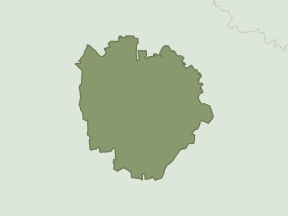
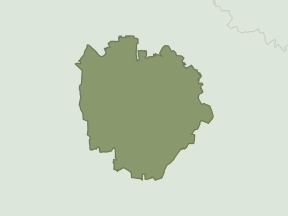
This area code covers a metropolitan region in TX with moderate to high population density, centered on Austin and surrounding communities.
Nearby Area Codes
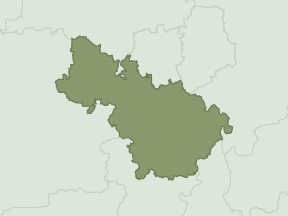
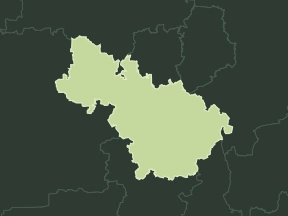
Area codes geographically closest to 512.


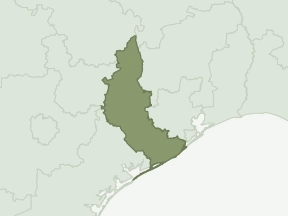
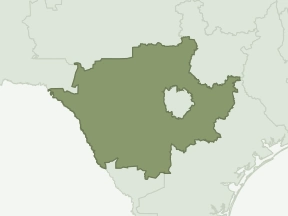
Other Area Codes in Texas
Area codes that also serve Texas, linked for easy comparison.