Area Code 214
Texas
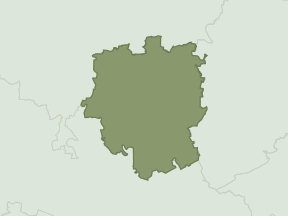
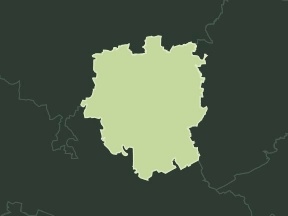
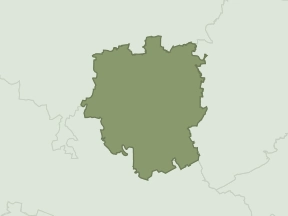
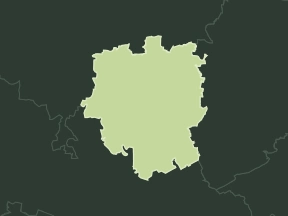
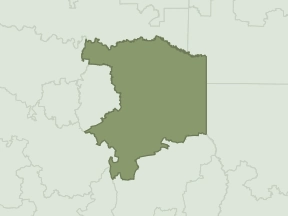
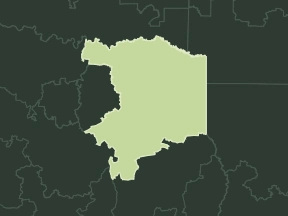
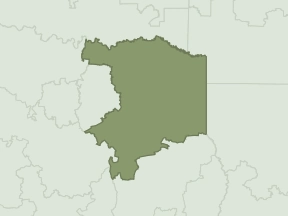
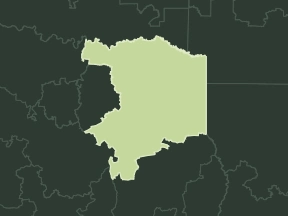
Area code 214 serves Texas, primarily Dallas, in the Central Time (CT) time zone. It has served the region since 01-Jan-1947.
Published: Last reviewed: Verified against NANPA and FCC records
Overlay Area Codes
This area code shares its geographic footprint with 3 overlay codes, so the same cities are served by multiple area codes. Because overlays leave existing numbers untouched, this region's relief planning favors adding codes over redrawing boundaries.
The codes serving this same region: area code 469 (Dallas), area code 945 (Dallas), area code 972 (Dallas).
With prefix utilization already at 98.1%, numbering resources here are under sustained pressure — context that explains why overlays were introduced.
In service since: 01-Jan-1947
Area Code Splits
One area code has been carved out of this code's original territory through a geographic split. Each split was a relief action: as demand grew, part of the region was reassigned to a new code rather than overlaying the whole territory.
Split into: area code 903 (Tyler).
Demographics & Economics
- Total Population
- 6,628,240
- Population Density
- 973 people/sq miabove U.S. average (U.S.: 95 people/sq mi)
- Median Household Income
- $84,207near U.S. median (U.S.: $80,734)
- Poverty Rate
- 10.2%below U.S. average (U.S.: 12.5%)
- Unemployment Rate
- 4.6%below U.S. average (U.S.: 5.2%)
- Education Attainment
- Bachelor's Degree+41.8%above U.S. average (U.S.: 35.7%)High School or Lower26.8%
Statistics are population-weighted aggregations from Census ACS 5-year estimates. Population figures are approximate — see Sources & Methodology for details on how area code populations are derived.
See how this area code compares to all US area codes in the income ranking and density ranking.
Time Zone
- Central Time (CT)
NANPA Relief Status
According to the latest NANPA analysis (July 2026), this area code is not currently listed as exhausting within the next 36 months. No relief planning is in progress for this NPA.
Source: NANPA NPA Relief Planning Reports · See all relief planning statuses
Current Time
Prefix Utilization
Geographic Coverage
State
TX
Major Cities
- Dallas
- Arlington
- Plano
- Irving
- Garland
- Frisco
- McKinney
- Grand Prairie
- Mesquite
- Carrollton
- Lewisville
- Richardson
- Allen
- Flower Mound
- Rowlett
- Euless
- Wylie
- DeSoto
- Little Elm
- Grapevine
- Rockwall
- Cedar Hill
- The Colony
- Waxahachie
and 88 more cities


Historical Timeline of Area Code 214
Area code 214 was one of the original 77 US NANP area codes established by AT&T in 1947, assigned to northeast Texas including Dallas, Fort Worth, and Waco. The code was notable for being "promoted above its importance" with a 7-pull rotary dial count (2+1+4=7), one of only three metropolitan codes sharing this minimum pulse count alongside New York City's 212 and Chicago's 312. Over the next 74 years, area code 214 underwent four major splits and overlays, making it one of the most rapidly restructured numbering plan areas in the United States. Source: LincMad's 1947 Area Code List
- 1947: The Birth of Area Code 214 — Area code 214 was created as one of the 77 original US NANP area codes in AT&T's 1947 Nationwide Numbering Plan. Assigned to northeast Texas, the original NPA extended from just west of Dallas to Waco, reaching to the Arkansas and Louisiana borders. The middle digit "1" in 214 followed the original convention designating multi-NPA states — Texas received four area codes: 214, 512, 713, and 915. Dallas was one of only three metropolitan codes assigned the minimum 5-pulse rotary dial count, reflecting its status as a Regional Center in the 1929 General Toll Switching Plan. Source: List of Original NANP Area Codes
- 1954: The Tarrant County Split — The first modification to the original 214 NPA occurred when most of Tarrant County was combined with the eastern region of area code 915 to form area code 817. This was the first reduction of the original 214 NPA, separating the Fort Worth metropolitan area from Dallas-area numbering. Source: NANPA
- 1990: The Eastern Split to 903 — NANPA Industry Letter IL-89-05-038, dated May 26, 1989, documented Southwestern Bell Telephone Company's request to split the 214 NPA. The split occurred at 12:01 A.M. CST on Sunday, November 4, 1990. The entire eastern portion — including Denison, Paris, and Tyler, Texas — was assigned area code 903. A permissive dialing period ran from November 4, 1990, to May 5, 1991. The split was intended as a long-term solution, but rapid Metroplex growth and the proliferation of cell phones, fax machines, and pagers pushed 214 toward exhaustion within five years. Source: NANPA Industry Letter IL-89-05-038
- 1996: The Dallas County Split and "Doughnut" Pattern — All of the old 214 territory outside Dallas and Dallas County was split off with area code 972. This created a unique "doughnut" pattern: 214 in the center (Dallas County), 972 surrounding it (suburbs like Plano, Irving, and Garland). Within two years, both 214 and 972 were approaching exhaustion due to continued population growth and device proliferation. Source: Texas PUC
Regulatory History
The regulatory history of area code 214 spans federal and state jurisdictions. The FCC holds ultimate authority over telephone number administration under the Telecommunications Act of 1996, while NANPA operates as the neutral numbering administrator. In Texas, the Public Utility Commission (PUCT) holds jurisdiction over area code relief decisions. Source: Texas PUC FAQ
| Year | Event | Docket | Regulatory Action & Impact |
|---|---|---|---|
| 1947 | NANP established; 214 assigned | AT&T Nationwide Numbering Plan | AT&T established the North American Numbering Plan, assigning 214 to northeast Texas. Texas received four original codes: 214, 512, 713, and 915. Source: NANPA |
| 1989 | 903 split petition filed | NANPA IL-89-05-038 | Southwestern Bell Telephone Company petitioned NANPA for relief of the 214 NPA. NANPA Industry Letter IL-89-05-038 (May 26, 1989) documented the request to split the eastern portion into area code 903. Source: NANPA IL-89-05-038 |
| 1990 | 903 geographic split | NANPA IL-89-05-038; Bellcore LERG | Split occurred at 12:01 A.M. CST, November 4, 1990. Eastern portion (Denison, Paris, Tyler) assigned to 903. Permissive dialing period ran November 4, 1990 to May 5, 1991. Intended as long-term relief but exhausted within five years due to rapid growth. Source: NANPA IL-89-05-038 |
| 1996 | 972 geographic split | Texas PUC | Texas PUC approved splitting old 214 territory outside Dallas County to area code 972. Created a "doughnut" pattern: 214 in Dallas County center, 972 in surrounding suburbs. Both codes approached exhaustion within two years. Source: Texas PUC |
| 1999 | 469 overlay; 214/972 boundary erased | Texas PUC | Texas PUC ordered the introduction of area code 469 as an overlay on July 1, 1999. Simultaneously erased the 214/972 geographic boundary, converting 972 into an additional overlay for the entire region. Ten-digit dialing became mandatory. A rare regulatory action converting a split code into an overlay. Source: Texas PUC |
County Coverage
Population-weighted county share based on aggregated ZCTA population (100% = total mapped population for area code 214).
| County | Population | Share |
|---|---|---|
| Dallas, TX | 3,074,281 | 46.4% |
| Collin, TX | 1,510,439 | 22.8% |
| Denton, TX | 826,941 | 12.5% |
| Rockwall, TX | 357,331 | 5.4% |
| Ellis, TX | 301,970 | 4.6% |
| Tarrant, TX | 255,477 | 3.9% |
| Kaufman, TX | 170,458 | 2.6% |
| Hunt, TX | 81,060 | 1.2% |
| Navarro, TX | 30,809 | 0.5% |
| Johnson, TX | 13,645 | 0.2% |
| Fannin, TX | 3,908 | 0.1% |
| Hill, TX | 1,921 | 0.0% |
Area Code 214 Family Tree
Hover over nodes to see details. Click to navigate to individual area code pages. Use scroll to zoom, drag to pan.
All Descendants
Area code 214 was originally assigned in 01-Jan-1947 to serve TX. Over the years, it has generated 5 descendant area codes through a combination of geographic splits and overlays as demand for telephone numbers grew.
Call Context
This area code covers a metropolitan region in TX with moderate to high population density, centered on Dallas and surrounding communities.
Nearby Area Codes
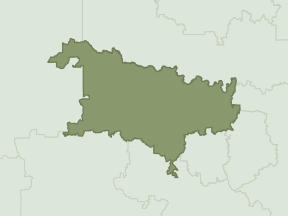
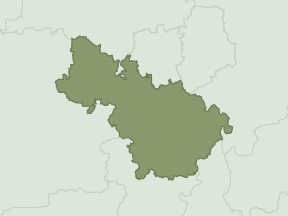
Area codes geographically closest to 214.
Other Area Codes in Texas
Area codes that also serve Texas, linked for easy comparison.