Area Code 240
Maryland
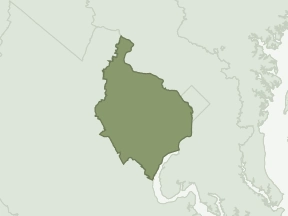
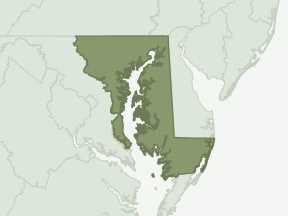
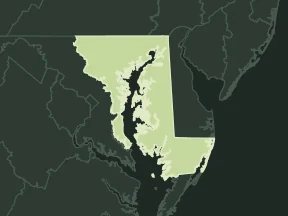
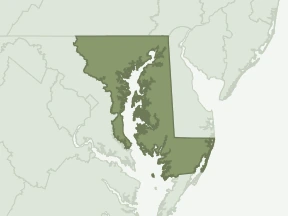
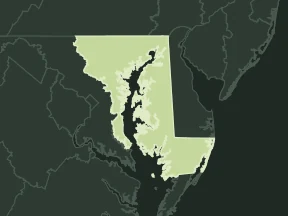
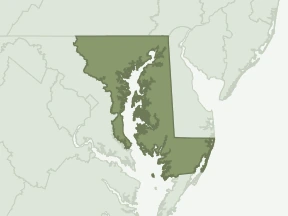
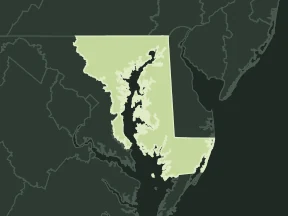
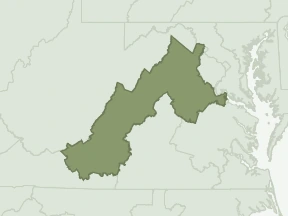
Area code 240 serves Maryland, primarily Columbia, in the Eastern Time (ET) time zone. It is an overlay area code sharing territory with area code 301.
Published: Last reviewed: Verified against NANPA and FCC records
Overlay Area Code
This area code shares its geographic footprint with an overlay code, so the same cities are served by two area codes. Because overlays leave existing numbers untouched, this region's relief planning favors adding codes over redrawing boundaries.
The codes serving this same region: area code 301 (Columbia).
With prefix utilization already at 98.1%, numbering resources here are under sustained pressure — context that explains why overlays were introduced.
In service since: 01-Jun-1997
Demographics & Economics
Demographic Data Unavailable for Area Code 240
County-level demographic data is not available for this area code because NPA boundary polygons are not publicly distributed by NANPA. We use geographic boundary data from the Colorado Open Data Portal to map area codes to counties, which currently covers 194 of 376 geographic area codes.
Demographic statistics (population, income, education, poverty) require county-level aggregations from Census ACS data. Without a county mapping, these aggregations cannot be computed. We are actively seeking additional data sources to improve coverage.
Statistics are population-weighted aggregations from Census ACS 5-year estimates where county boundary data is available.See Sources for details.
Time Zone
- Eastern Time (ET)
NANPA Relief Status
According to the latest NANPA analysis (July 2026), this area code is not currently listed as exhausting within the next 36 months. No relief planning is in progress for this NPA.
Source: NANPA NPA Relief Planning Reports · See all relief planning statuses
Current Time
Prefix Utilization
Geographic Coverage
State
MD
Major Cities
- Columbia
- Germantown
- Waldorf
- Silver Spring
- Frederick
- Gaithersburg
- Bethesda
- Rockville
- Bowie
- Aspen Hill
- Wheaton
- North Bethesda
- Potomac
- Hagerstown
- Clinton
- Olney
- Chillum
- College Park
- Montgomery Village
- Crofton
- Laurel
- Clarksburg
- South Laurel
- Fairland
and 301 more cities


Historical Timeline of Area Code 240
Area code 240 was introduced on June 1, 1997, as Maryland's first overlay area code, created to relieve area code 301 which was nearing exhaustion due to rapid cell phone and pager growth in the Washington, D.C. suburbs. The Maryland Public Service Commission chose an overlay over a geographic split to avoid forcing 1.2 million subscribers to change their numbers. Source: NANPA
Key milestones:
- 1947: Area code 301 created as one of the original 77 US area codes, serving the entire state of Maryland. Source: NANPA
- 1990: End of central office code protection required 10-digit dialing for local calls between Maryland, D.C., and Virginia (October 1, 1990). Source: NANPA
- 1991: Area code 410 split off from 301 on November 1, taking Baltimore and the Eastern Shore. Bell Atlantic kept the western half in 301 to spare federal agencies from number changes. Source: NANPA
- 1995: Maryland PSC Case No. 8705 approved the overlay plan (Order No. 72274, November 22, 1995), rejecting a geographic split that would have forced approximately 50% of subscribers to change numbers. Source: Fortnightly Magazine
- 1996: NANPA Informational Letter IL 96/06-009 notified the industry of NPA 240 as an overlay for 301. Bell Atlantic Maryland reported substantial number growth. 10-digit dialing was permitted from May 1, 1996, and mandatory by May 1, 1997. Source: NANPA
- 1997: Area code 240 went into service on June 1 as Maryland's first overlay. Area code 443 followed as an overlay for 410 on July 1. Source: NANPA
- 2001: Maryland PSC Case No. 8853 (January 3, 2001) approved an all-services distributed overlay as the future relief method for the 240/301 NPA, establishing area code 227 as a reserve overlay. Source: NANPA
- 2022: Maryland PSC approved implementation of the 227 overlay on August 3, 2022. NANPA Planning Letter PL-603 was issued September 27, 2022. Network preparation began September 14, 2022. Source: Maryland PSC
- 2023: Area code 227 went into service on June 14, 2023 as a third overlay for the 240/301 region, a full 22 years after its initial approval in 2001. Source: Maryland PSC
Area code 240's creation reflected a national shift in the mid-1990s toward overlays as the preferred method for number relief. The Maryland PSC's decision in 1995 established a template that avoided the disruption of geographic splits while maintaining full service continuity for existing subscribers.
Regulatory History
Area code 240 has been shaped by five significant regulatory actions over nearly three decades. The Maryland Public Service Commission's decisions in Case No. 8705 (1995) and Case No. 8853 (2001) established the overlay framework that defines the 240/301 region today. Source: NANPA
| Year | Event | Docket | Regulatory Action & Impact |
|---|---|---|---|
| 1995 | Overlay approval | Case No. 8705 | Maryland PSC approved overlay plan for the 301 NPA (Order No. 72274), rejecting a geographic split that would have forced approximately half of subscribers to change numbers. 10-digit dialing became the standard. (Fortnightly Magazine |
| 1996 | Industry notification | IL 96/06-009 | NANPA issued Informational Letter notifying the industry of NPA 240 as an overlay for 301. 10-digit dialing permitted from May 1, 1996; mandatory by May 1, 1997. Test number: 240-999-8378. Source: NANPA |
| 2001 | Future overlay pre-approval | Case No. 8853 | Maryland PSC approved an all-services distributed overlay as the future relief method for the 240/301 NPA, establishing area code 227 as a reserve overlay to be activated only when number exhaustion was imminent. Source: NANPA |
| 2022 | Implementation approval | PL-603 | Maryland PSC approved activation of the 227 overlay on August 3, 2022. NANPA Planning Letter PL-603 issued September 27, 2022. Network preparation began September 14, 2022. Maryland PSC |
| 2023 | 227 goes into service | N/A | Area code 227 activated on June 14, 2023 as a third overlay for the 240/301 region. New customers in the Maryland overlay area may now be assigned a 227 number once 240/301 assignable codes are exhausted. Maryland PSC |
County Coverage
Population-weighted county share based on aggregated ZCTA population (100% = total mapped population for area code 240).
| County | Population | Share |
|---|---|---|
| Montgomery, MD | 1,168,712 | 34.4% |
| Prince George's, MD | 1,082,938 | 31.9% |
| Frederick, MD | 336,420 | 9.9% |
| Charles, MD | 220,971 | 6.5% |
| Washington, MD | 173,549 | 5.1% |
| Howard, MD | 127,684 | 3.8% |
| St. Mary's, MD | 118,020 | 3.5% |
| Allegany, MD | 69,925 | 2.1% |
| Garrett, MD | 46,232 | 1.4% |
| Carroll, MD | 35,637 | 1.0% |
| Anne Arundel, MD | 7,512 | 0.2% |
| Calvert, MD | 7,512 | 0.2% |
Area Code 240 Family Tree
Hover over nodes to see details. Click to navigate to individual area code pages. Use scroll to zoom, drag to pan.
Area code 240 was originally assigned in 01-Jun-1997 to serve MD.
Call Context
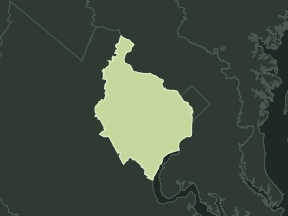
This area code covers a geographic region across MD, including Columbia and surrounding communities.
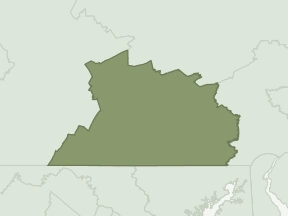
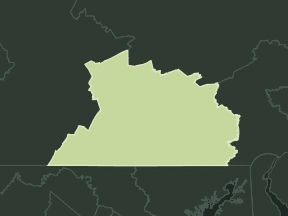
Nearby Area Codes
Area codes geographically closest to 240.
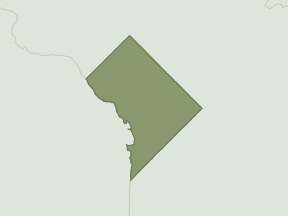
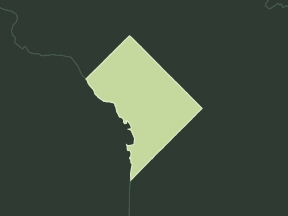
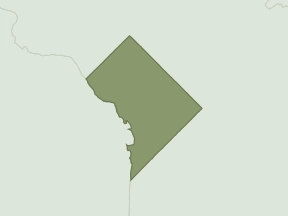
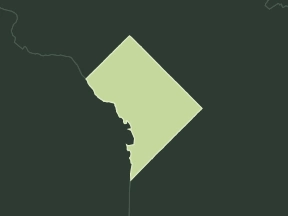
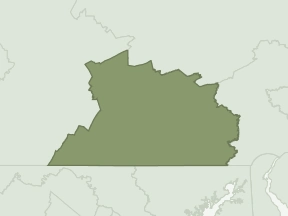
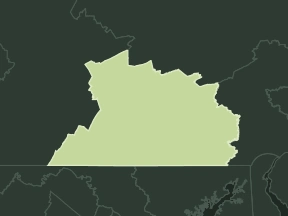
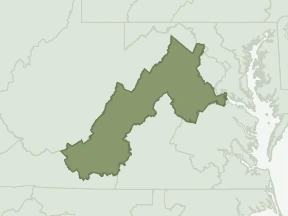
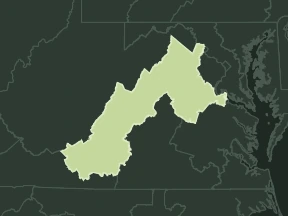
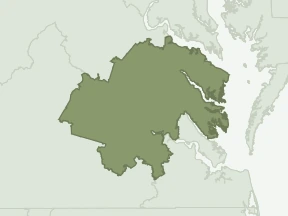
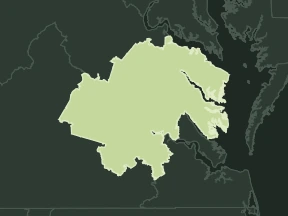
Other Area Codes in Maryland
Area codes that also serve Maryland, linked for easy comparison.