Area Code 202
District of Columbia
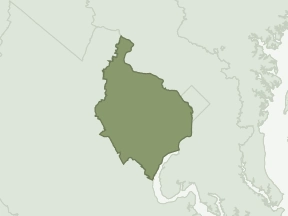
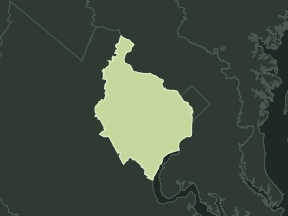
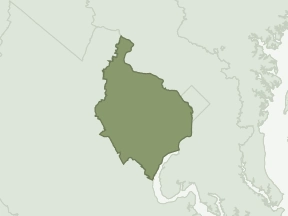
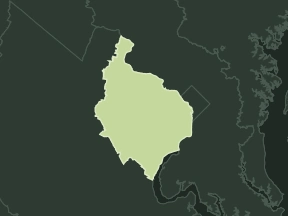
Area code 202 serves District of Columbia, primarily Washington, in the Eastern Time (ET) time zone. It has served the region since 01-Jan-1947.
Published: Last reviewed: Verified against NANPA and FCC records
Overlay Area Code
This area code shares its geographic footprint with an overlay code, so the same cities are served by two area codes. Because overlays leave existing numbers untouched, this region's relief planning favors adding codes over redrawing boundaries.
The codes serving this same region: area code 771 (Washington).
With prefix utilization already at 98.0%, numbering resources here are under sustained pressure — context that explains why overlays were introduced.
In service since: 01-Jan-1947
Demographics & Economics
- Total Population
- 672,079
- Population Density
- 11,146 people/sq miabove U.S. average (U.S.: 95 people/sq mi)
- Median Household Income
- $109,870above U.S. median (U.S.: $80,734)
- Poverty Rate
- 15.4%above U.S. average (U.S.: 12.5%)
- Unemployment Rate
- 6.3%above U.S. average (U.S.: 5.2%)
- Education Attainment
- Bachelor's Degree+64.2%above U.S. average (U.S.: 35.7%)High School or Lower17.5%
Statistics are population-weighted aggregations from Census ACS 5-year estimates. Population figures are approximate — see Sources & Methodology for details on how area code populations are derived.
See how this area code compares to all US area codes in the income ranking and density ranking.
Time Zone
- Eastern Time (ET)
NANPA Relief Status
According to the latest NANPA analysis (July 2026), this area code is not currently listed as exhausting within the next 36 months. No relief planning is in progress for this NPA.
Source: NANPA NPA Relief Planning Reports · See all relief planning statuses
Current Time
Prefix Utilization
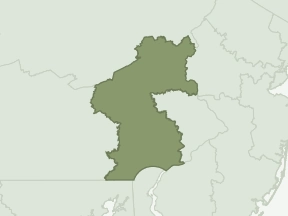
Geographic Coverage
State
DC
Major Cities
- Washington


Historical Timeline of Area Code 202
Area code 202 is one of the original 77 US NANP area codes established by AT&T in 1947, assigned exclusively to serve the District of Columbia. It was the second numbering plan area created nationally — after New Jersey's area code 201 — making DC the first non-state jurisdiction in the NANP to receive its own area code. Source: NANPA Petition to DC PSC (FC 1165)
The code 202 was deliberately structured following AT&T's original rotary-dial conventions. The middle digit "0" indicated a single-code jurisdiction — an entire state or district served by just one area code. DC received fast-dialing "2" digits in the first and third positions, reflecting its significant population, but the "0" middle digit meant the code required 14 pulses on a rotary telephone (2+0+2), compared to just 5 pulses for New York's 212. This made 202 slower to dial than codes assigned to multi-NPA states, though it was still below the national average of 14.1 pulses for codes created in the same era. Source: The Directory — Area Code 202 History
- 1947: Area code 202 is created as one of the 77 original US NANP codes. DC becomes the second numbering plan area established, receiving its own area code before much larger states like California (213) and Texas (214). The entire District of Columbia — all 68.34 square miles — falls under a single rate center: Washington Zone 1 (WSHNGTNZN1). Source: NANPA Petition to DC PSC (FC 1165)
- 1947–1990: Central Office Code Protection Era: The Washington Metropolitan Exchange Area (WMEA) operated a unique central office code protection system across three area codes — 202 (DC), 301 (Maryland), and 703 (Virginia). Under this system, no two NPAs in the WMEA could share the same three-digit prefix. If 202-574 existed in DC, then 703-574 and 301-574 could only be assigned to central offices far from the metropolitan area. This unprecedented arrangement allowed residents across DC, suburban Maryland, and northern Virginia to make local calls using only seven digits across three area codes for 43 years — a capability unmatched elsewhere in the NANP. Source: NANPA Petition to DC PSC (FC 1165)
- April 1, 1990: Permissive 10-digit dialing begins for cross-NPA calls within the WMEA, as documented in NANPA Industry Letter IL-90/04-003. Callers could begin using 10-digit dialing for calls between 202, 301, and 703, though 7-digit dialing remained functional during the transition period. Source: DC PSC FC 1165 Public Notice
- October 1990: Mandatory 10-digit dialing is enforced for all cross-NPA calls within the WMEA, as documented in NANPA Industry Letter IL-90/12-049. Seven-digit dialing is retained only for intra-NPA calls within 202 itself. The end of the central office code protection system marked a watershed moment for the Washington Metropolitan calling area. Source: DC PSC FC 1165 Public Notice
- June 16, 2020: The North American Numbering Plan Administrator (NANPA) files a petition with the DC Public Service Commission under docket FC 1165, requesting all-services overlay relief for the 202 NPA. The petition presents a detailed exhaust analysis: 753 of 800 possible central office (NXX) codes were assigned, with only 29 available and 18 unavailable. Annualized demand stood at 15.37 codes per year, projecting exhaustion by Q3 2022. Because the entire 202 NPA consists of a single rate center (Washington Zone 1), a geographic split was impossible — an overlay was the only viable relief method.
Regulatory History
The regulatory history of area code 202 is governed by the District of Columbia Public Service Commission (DC PSC), which exercises delegated authority under the federal framework established by the FCC. Under 47 C.F.R. §52.19, the FCC grants states and jurisdictions the authority to implement numbering conservation measures, with NANPA administering the numbering plan nationally. For DC, the DC PSC serves as the primary regulator for area code relief actions. Source: NANPA Petition to DC PSC (FC 1165
Year Event Docket Regulatory Action & Impact 1947 NANP established AT&T Nationwide Numbering Plan AT&T establishes the North American Numbering Plan, assigning 202 to the District of Columbia as the second NPA created. DC PSC gains delegated authority over numbering relief for the jurisdiction under federal telecommunications law. Source: The Directory — Area Code 202 History 1990 End of central office protection NANPA IL-90/04-003, IL-90/12-049 Mandatory 10-digit dialing enforced for cross-NPA calls within the WMEA. Permissive dialing began April 1, 1990; mandatory dialing took effect October 1990. The central office code protection system across 202/301/703 is formally retired. Source: DC PSC FC 1165 Public Notice 2020-06-16 Relief petition filed FC 1165 — NANPA Petition NANPA files petition with DC PSC requesting all-services overlay relief for 202. Exhaust data: 753 NXX codes assigned, 29 available, 18 unavailable. Annualized demand: 15.37 codes/year. Single rate center (Washington Zone 1) makes geographic split impossible. Source: NANPA Petition to DC PSC (FC 1165 2020-06-23 Public proceeding opened FC 1165 — Public Notice DC PSC issues public notice opening a formal proceeding on the NANPA petition. Projected exhaust: Q3 2022. Virtual community hearing scheduled for August 17, 2020. Source: DC PSC FC 1165 Public Notice
County Coverage
Population-weighted county share based on aggregated ZCTA population (100% = total mapped population for area code 202).
| County | Population | Share |
|---|---|---|
| District of Columbia, DC | 672,079 | 100.0% |
Area Code 202 Family Tree
Hover over nodes to see details. Click to navigate to individual area code pages. Use scroll to zoom, drag to pan.
Area code 202 was originally assigned in 01-Jan-1947 to serve DC. Over the years, it has generated 1 descendant area code through a combination of geographic splits and overlays as demand for telephone numbers grew.
Call Context
This area code serves a major metropolitan region with high population density in DC. The primary city is Washington.
Nearby Area Codes
Area codes geographically closest to 202.
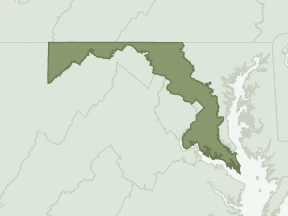
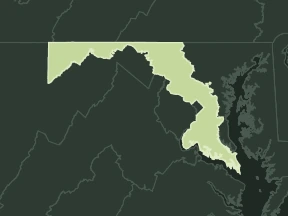
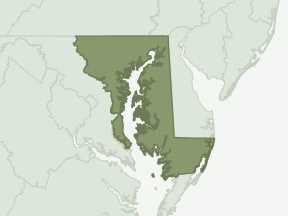
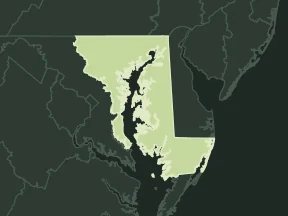
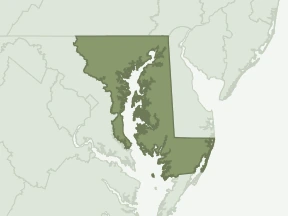
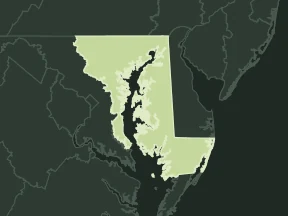
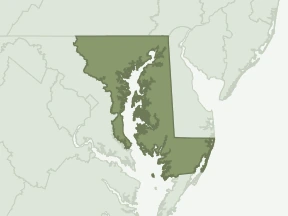
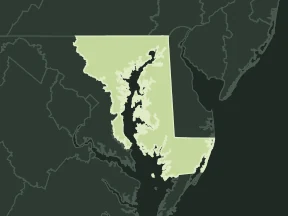
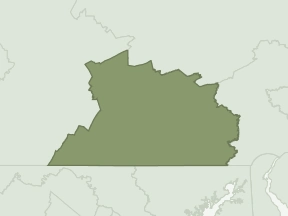
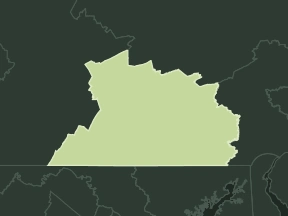
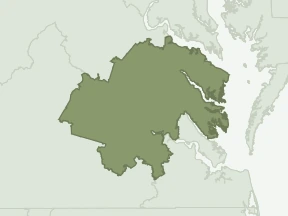
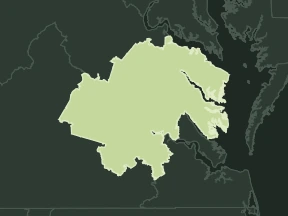
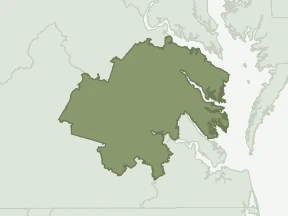
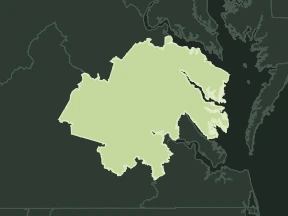
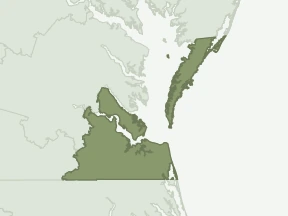
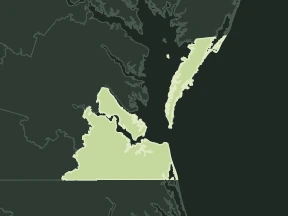
Other Area Codes in District of Columbia
Area codes that also serve District of Columbia, linked for easy comparison.