Area Code 239
Florida
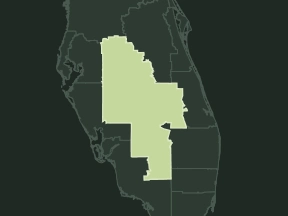
Area code 239 serves Florida, primarily Cape Coral, in the Eastern Time (ET) time zone. It was created from a split of area code 941.
Published: Last reviewed: Verified against NANPA and FCC records
Split Area Code
This area code exists because its parent region ran low on available numbers: the parent territory was divided geographically, this code took over one part of it, and the parent kept serving the rest. Existing customers generally keep their numbers — only the code changes for the newly drawn region.
This area code was split from area code 941 (Plantation).
In service since: 11-Mar-2002
Demographics & Economics
- Total Population
- 1,336,425
- Population Density
- 329 people/sq miabove U.S. average (U.S.: 95 people/sq mi)
- Median Household Income
- $76,107near U.S. median (U.S.: $80,734)
- Poverty Rate
- 11.8%near U.S. average (U.S.: 12.5%)
- Unemployment Rate
- 4.0%below U.S. average (U.S.: 5.2%)
- Education Attainment
- Bachelor's Degree+33.7%near U.S. average (U.S.: 35.7%)High School or Lower33.3%
Statistics are population-weighted aggregations from Census ACS 5-year estimates. Population figures are approximate — see Sources & Methodology for details on how area code populations are derived.
See how this area code compares to all US area codes in the income ranking and density ranking.
Time Zone
- Eastern Time (ET)
NANPA Relief Status
According to the latest NANPA analysis (July 2026), this area code is not currently listed as exhausting within the next 36 months. No relief planning is in progress for this NPA.
Source: NANPA NPA Relief Planning Reports · See all relief planning statuses
Current Time
Prefix Utilization
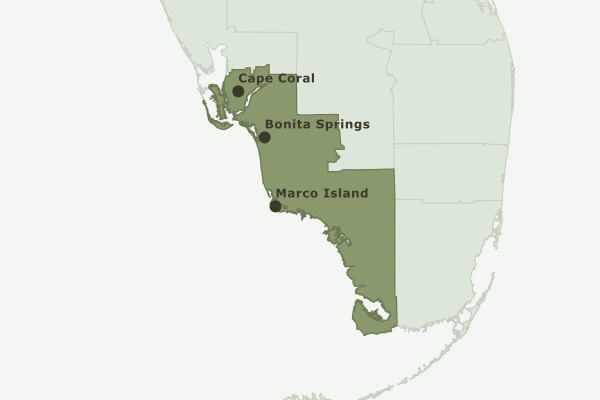
Geographic Coverage
State
FL
Major Cities
- Cape Coral
- Lehigh Acres
- Fort Myers
- Bonita Springs
- North Fort Myers
- Estero
- Golden Gate
- Immokalee
- Naples
- San Carlos Park
- Marco Island
- Iona
- Villas
- Cypress Lake
- Gateway
- Lely Resort
- McGregor
- Ave Maria
- Pelican Bay
- Sanibel
- Three Oaks
- Fort Myers Shores
- Lochmoor Waterway Estates
- Fort Myers Beach
and 38 more cities

Historical Timeline of Area Code 239
Area code 239 was activated on March 11, 2002, as a geographic split from area code 941. It is the 318th numbering plan area in the North American Numbering Plan and the third code derived from Florida's original area code 305, following the chain 305 to 813 to 941 to 239. The code serves Lee, Collier, Hendry, Charlotte, and mainland Monroe counties in southwestern Florida, covering cities including Fort Myers, Naples, and Cape Coral. Source: NANPA.
Key milestones:
- 1947: Area code 305 assigned to the entire state of Florida as one of the original 77 US NANP area codes in the NANP
- 1953: Area code 813 created for western Florida, split from 305
- 1995: Area code 941 created from 813, serving west-central and southwestern Florida
- 1999: Area code 863 split from 941, taking inland counties; 941 reduced to coastal counties
- September 6, 2001: Florida PSC Order PSC-01-1804-FOF-TL authorized a two-way geographic split of 941
- October 26, 2001: NANPA Planning Letter PL-307 issued for the 941 split implementation
- March 11, 2002: Area code 239 activated. Permissive dialing period begins.
- March 10, 2003: Permissive dialing period ended; mandatory 10-digit dialing for 239 begins
- 2022: 988 Suicide and Crisis Lifeline implementation requires mandatory 10-digit dialing nationwide; 239 is one of 87 affected area codes Source: FCC
The split boundary follows the Charlotte-Lee county line, with 941 retained by Sarasota, Charlotte, and Manatee Counties and 239 assigned to Lee, Collier, and part of Monroe Counties. The code operates without an overlay and remains one of the few large Florida area codes still permitting 7-digit local dialing.
FCC Regulatory History
Area code 239 was created through a state-level regulatory process authorized by the Florida Public Service Commission, with implementation coordinated by NANPA. The code was later affected by a federal FCC order mandating 10-digit dialing for the 988 Suicide and Crisis Lifeline. Source: NANPA
| Year | Event | Docket | Regulatory Action & Impact |
|---|---|---|---|
| 2001 | NPA Split Authorization | PSC-01-1804-FOF-TL | Florida PSC authorized a two-way geographic split of area code 941. New 239 NPA created for Lee, Collier, and part of Monroe Counties. 941 retained by Sarasota, Charlotte, and Manatee Counties. |
| 2001 | NANPA Planning Letter | PL-307 | NANPA issued planning letter for 941 split implementation. Split effective March 11, 2002; permissive dialing period until March 10, 2003; boundary along Charlotte-Lee county line. |
| 2002 | 239 NPA Activated | Area code 239 went into service on March 11, 2002 as the 318th NPA in the NANP. Permissive dialing period began for existing customers. | |
| 2003 | Mandatory 10-Digit Dialing | Permissive dialing period ended March 10, 2003. Mandatory 10-digit dialing required for all calls within and from area code 239. | |
| 2020 | 988 Dialing Transition | WC Docket No. 18-336 | FCC Order 20-100 mandated 10-digit dialing for 988 Suicide and Crisis Lifeline implementation. Area code 239 identified as one of 87 affected area codes. Source: FCC |
County Coverage
Population-weighted county share based on aggregated ZCTA population (100% = total mapped population for area code 239).
| County | Population | Share |
|---|---|---|
| Lee, FL | 820,569 | 61.4% |
| Collier, FL | 450,330 | 33.7% |
| Hendry, FL | 33,270 | 2.5% |
| Charlotte, FL | 31,902 | 2.4% |
| Miami-Dade, FL | 177 | 0.0% |
| Monroe, FL | 177 | 0.0% |
Area Code 239 Family Tree
Hover over nodes to see details. Click to navigate to individual area code pages. Use scroll to zoom, drag to pan.
Area code 239 was originally assigned in 11-Mar-2002 to serve FL.
Call Context
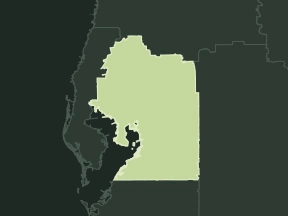
This area code covers a metropolitan region in FL with moderate to high population density, centered on Cape Coral and surrounding communities.
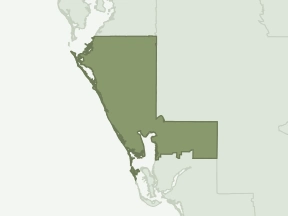
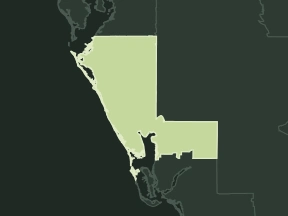
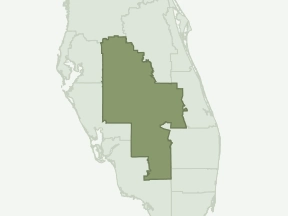
Nearby Area Codes
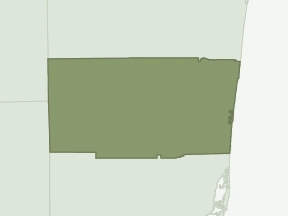
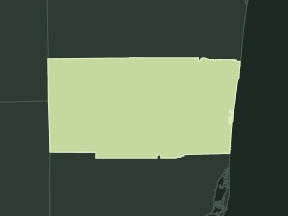
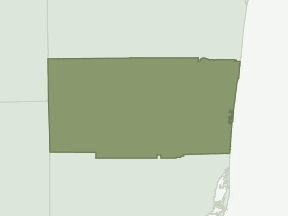
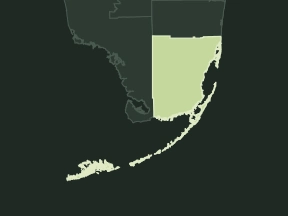
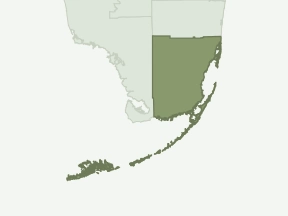
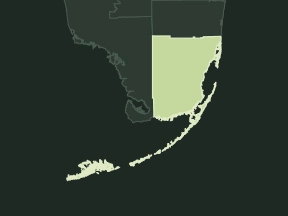
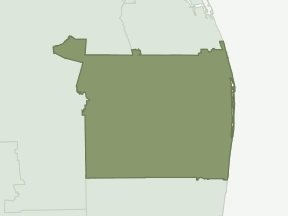
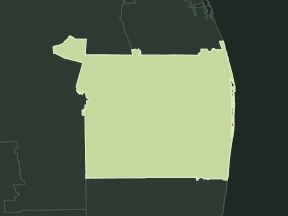
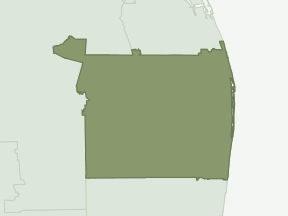
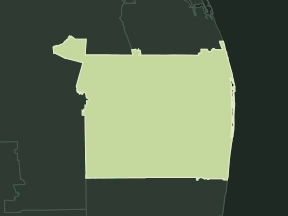
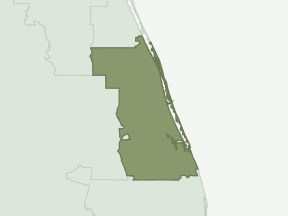
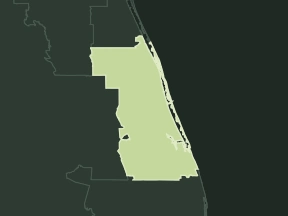
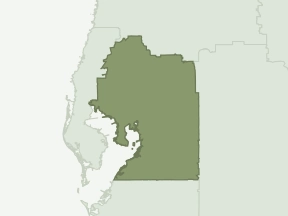
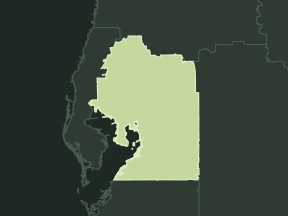
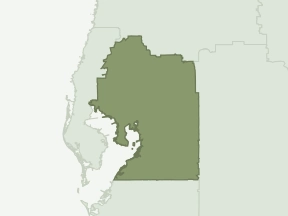
Area codes geographically closest to 239.
Other Area Codes in Florida
Area codes that also serve Florida, linked for easy comparison.